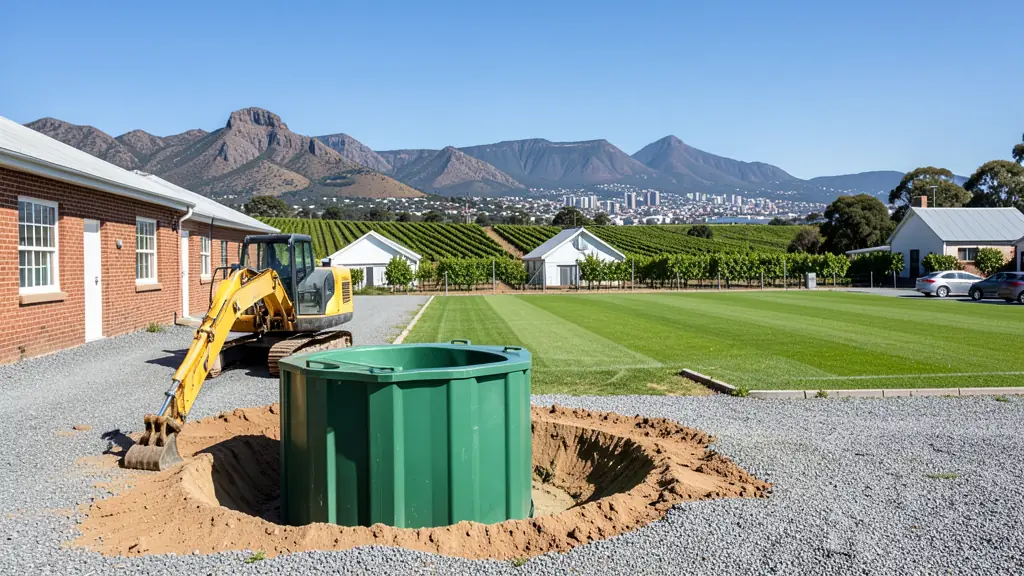
Phoning around for septic tank installation in Western Cape takes time, and every company asks the same questions. Send one job card instead and we pass it to septic installers and plumbers who serve towns, plots and farms across Western Cape. They quote on the work, travel, disposal and how soon they can come.
Septic Tank Installation in Western Cape
Septic tank installation in Western Cape is usually ordered by owners building on plots without a sewer connection, by farms adding worker housing, and by lodges expanding. Share your stand size, soil type if you know it and where the house drain exits, so contractors serving Western Cape and the rest of Western Cape can quote properly.
Want to know more first? Our septic tank installation guide covers the options, what to check and what affects the price.
Septic tanks and drainage in Western Cape
The Western Cape has a mix of sewered suburbs and many properties on tanks. Winter rain and a high water table on the sandy Cape Flats, West Coast and Overberg make soakaways unreliable, so conservancy tanks and treatment plants are common. Wine and fruit farms around Stellenbosch, Paarl, Worcester and Ceres use septic tanks, french drains and plants that struggle during harvest season peaks. Garden Route homes and lodges in George, Knysna and Plettenberg Bay sit on wet, steep ground near estuaries and lagoons, where regulators watch discharge closely. Honey sucker operators and tank suppliers work from Montague Gardens, Bellville, Paarl and George.
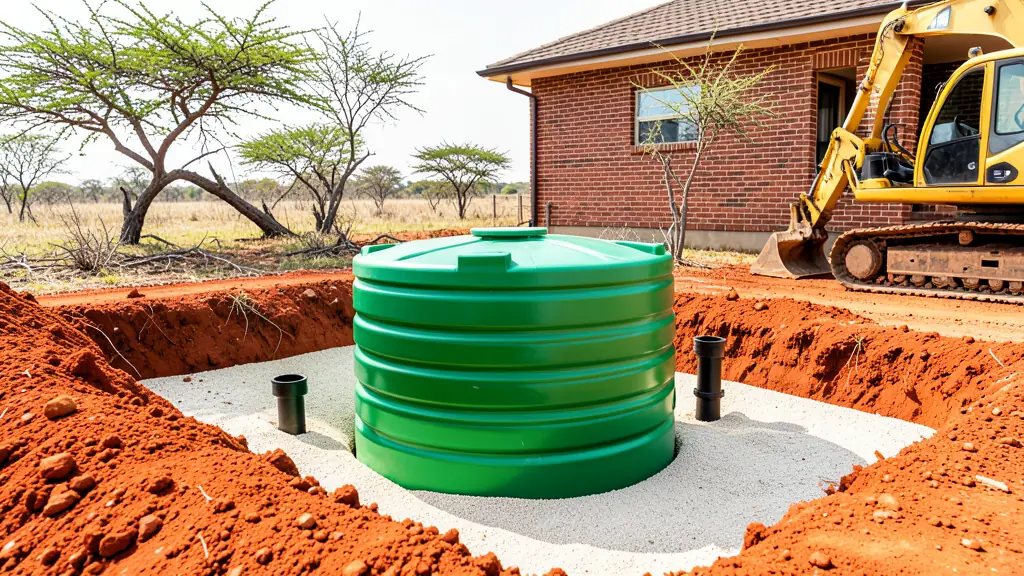
Typical septic tank installation requests in the area come from:
- Farms and game farms: separate systems for the homestead and worker housing, kept clear of boreholes
- Houses: a new tank and drainage field for a house built or extended away from the sewer
- Lodges, guesthouses and venues: larger tanks and fields sized for guest numbers, often with a treatment plant
- Estates and complexes: tanks and drainage laid for each stand or shared units before the units are occupied
- Smallholdings and plots: a full system on a smallholding, with a larger field and a long pipe run
- Restaurants, shops and offices: approved systems for shops, restaurants and offices outside the sewer network
- Factories, mines, sites and events: site tanks for construction camps and workshops, installed to a set programme
- Schools, churches and clinics: large tanks for schools and clinics, with plans signed off by a professional
Local tips for Western Cape
In Western Cape, the most common systems are conservancy tanks on sandy ground, treatment plants on wine farms and Garden Route lodges. Operators and suppliers mostly work from operators based in Montague Gardens, Bellville, Paarl and George. A useful tip: ask for proof of lawful disposal, especially near estuaries and rivers.
Septic Tank Installation usually means excavate, bed, level, connect and drain, for 2,500 to 10,000 L tanks for homes, one-off job, 2 to 4 days on site. Ground in the area: sandy flats with a high winter water table, wet steep ground on the Garden Route.
What to include in your request
- Plot size and where the house drain leaves the building
- Number of bedrooms or people using the system
- Distance to any borehole, well, boundary or stream
- Soil type, rock or a high water table if known
- Whether municipal approval and plans are done or needed
The more detail you give, the more accurate your quote will be.
Service area: Western Cape and surrounds
Operators, contractors and suppliers on our network work throughout Western Cape, including Cape Town, Stellenbosch, Paarl, George, Knysna, Hermanus, Worcester. For smaller towns and farms, ask what the travel charge is from the nearest base and how far it is to the disposal site.