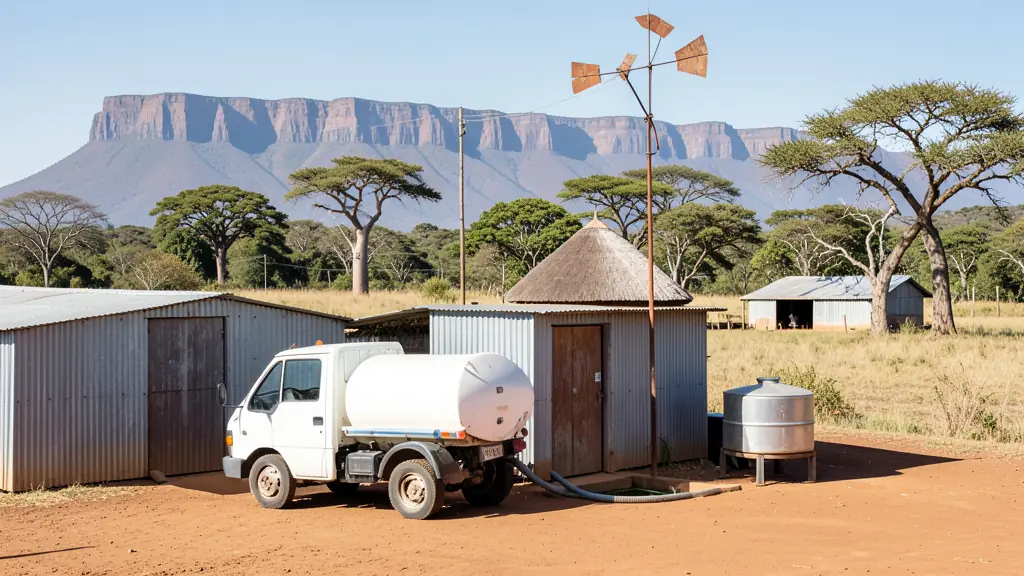
Whether it is one house tank or a whole estate, our free service makes it easy to price grease trap cleaning in Limpopo. Your request goes to a grease trap service serving towns, plots and farms across Limpopo, so you can compare prices and response times before you commit.
Grease Trap Cleaning in Limpopo
Grease trap cleaning in Limpopo is mostly booked by restaurants, takeaways, hotels, school and hospital kitchens, and shopping centre food courts. Give the trap type and size, how often you cook with oil and where the lid is, so operators serving Limpopo and the rest of Limpopo can quote accurately.
Want to know more first? Our grease trap cleaning guide covers the options, what to check and what affects the price.
Septic tanks and drainage in Limpopo
Limpopo is hot, dry in most months and very spread out, so many homes, schools and clinics rely on pit toilets, septic tanks or conservancy tanks instead of a sewer. In Polokwane, newer estates and older suburbs mix sewer connections with tanks. Around Tzaneen and Haenertsburg, wetter ground and steep slopes need careful soakaway placement. Game farms and lodges near Hoedspruit and the Waterberg run treatment plants and french drains that peak in the tourist season, and mines near Mokopane, Steelpoort and Lephalale need bulk pump-outs. Operators and tank suppliers are concentrated in Polokwane, with a few in Tzaneen, so distance is the main cost driver.
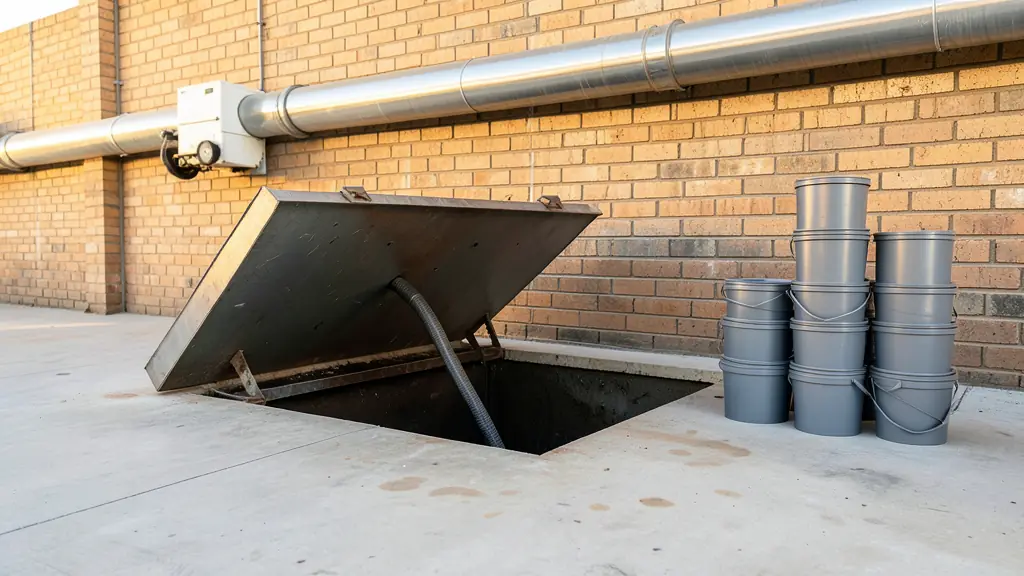
Typical grease trap cleaning requests in the area come from:
- Lodges, guesthouses and venues: heavy-use traps at lodge and venue kitchens that peak during weddings and holiday seasons
- Farms and game farms: traps at farm kitchens, worker canteens and packing sheds that cook for many people
- Schools, churches and clinics: scheduled cleaning of school, hospital and church hall kitchen traps, often in the holidays
- Smallholdings and plots: a trap on a farm stall, deli or catering kitchen run from a smallholding
- Houses: a small under-sink trap at a home business kitchen or a granny flat with a full kitchen
- Factories, mines, sites and events: large traps at food factories and staff canteens with a waste slip for each visit
- Restaurants, shops and offices: frequent cleaning of restaurant, takeaway and food court traps to meet by-laws and landlords
Local tips for Limpopo
Most work in Limpopo is done by teams based in operators based mainly in Polokwane, with some in Tzaneen, and the usual setup is treatment plants at bush lodges, septic tanks at schools, clinics and farm homesteads. When you ask for quotes, ask for a quote that includes the distance from Polokwane in the price.
Grease Trap Cleaning usually means pump out and scrape fat, water and solids, for 50 to 2,000 L kitchen traps, every 2 weeks to 3 months. Ground in the area: hard dry soil in the bushveld, wetter slopes near Tzaneen: soakaway placement matters.
What to include in your request
- Trap type: under-sink, in-ground or large chamber, and size if known
- What the kitchen cooks and roughly how many meals a day
- When it was last cleaned and how long it took to fill
- Where the lid is and whether it is under a table or paving
- Whether you need a regular contract and a service slip
The more detail you give, the more accurate your quote will be.
Service area: Limpopo and surrounds
Operators, contractors and suppliers on our network work throughout Limpopo, including Polokwane, Tzaneen, Mokopane, Lephalale, Hoedspruit, Thohoyandou, Phalaborwa. For smaller towns and farms, ask what the travel charge is from the nearest base and how far it is to the disposal site.