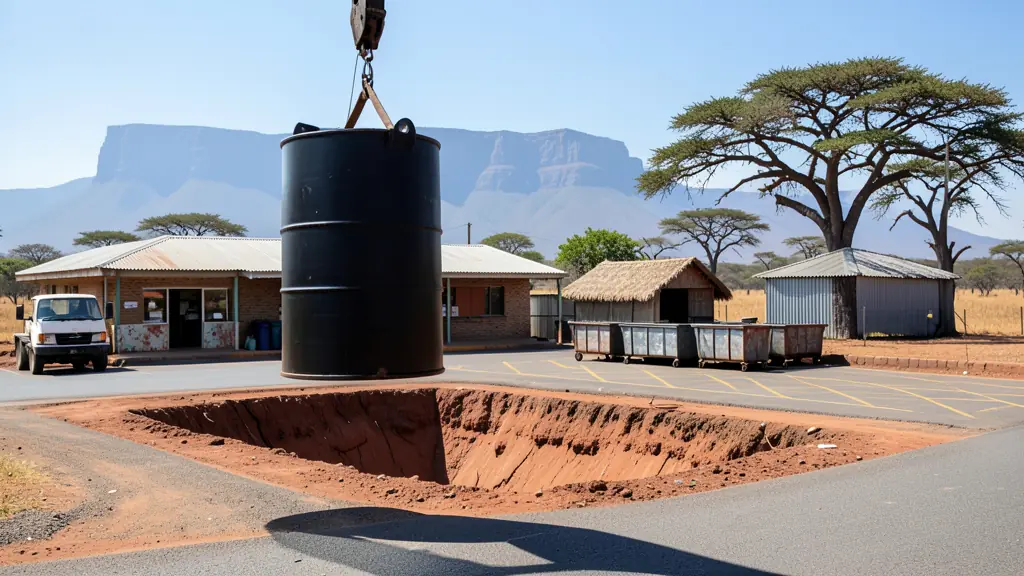
Phoning around for conservancy tanks in Limpopo takes time, and every company asks the same questions. Send one job card instead and we pass it to tank suppliers and septic installers who serve towns, plots and farms across Limpopo. They quote on the work, travel, disposal and how soon they can come.
Conservancy Tanks in Limpopo
Conservancy tanks in Limpopo are most often chosen where the ground is too wet or too rocky for drainage, or where a sewer has not yet reached the area. Tell suppliers the stand size, the water use and how far the nearest truck access is, so those serving Limpopo and the rest of Limpopo can recommend a tank size.
Want to know more first? Our conservancy tanks guide covers the options, what to check and what affects the price.
Septic tanks and drainage in Limpopo
Limpopo is hot, dry in most months and very spread out, so many homes, schools and clinics rely on pit toilets, septic tanks or conservancy tanks instead of a sewer. In Polokwane, newer estates and older suburbs mix sewer connections with tanks. Around Tzaneen and Haenertsburg, wetter ground and steep slopes need careful soakaway placement. Game farms and lodges near Hoedspruit and the Waterberg run treatment plants and french drains that peak in the tourist season, and mines near Mokopane, Steelpoort and Lephalale need bulk pump-outs. Operators and tank suppliers are concentrated in Polokwane, with a few in Tzaneen, so distance is the main cost driver.
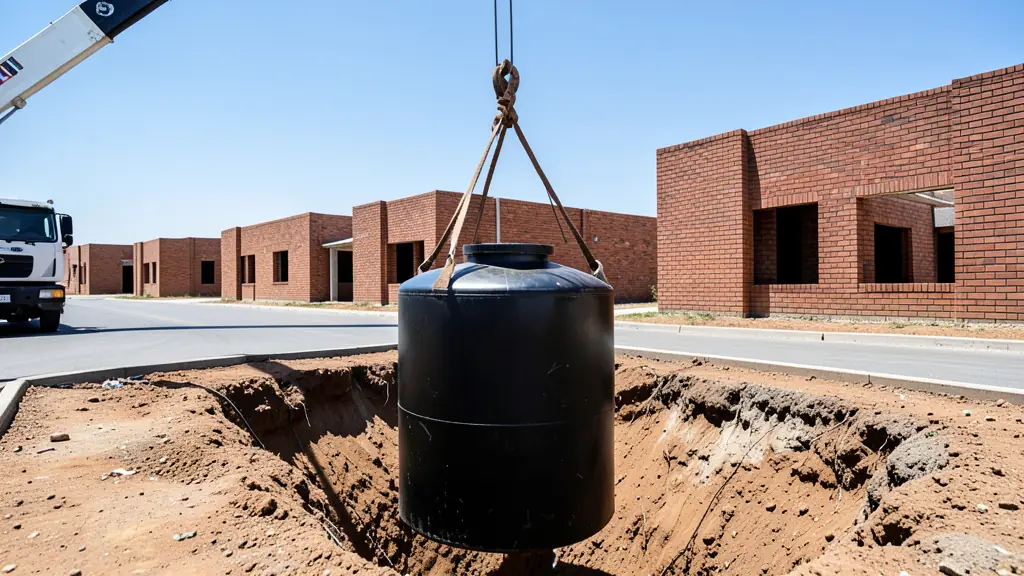
Typical conservancy tanks requests in the area come from:
- Lodges, guesthouses and venues: big tanks with a high-level alarm for chalets in sensitive areas, emptied on a regular round
- Farms and game farms: a sealed tank near a borehole or river where discharge is not allowed
- Schools, churches and clinics: sealed tanks for a school or clinic, sized for the term-time load
- Smallholdings and plots: a holding tank where rock or a high water table rules out a soakaway
- Houses: a sealed tank for a house on a small stand where a drainage field will not fit
- Factories, mines, sites and events: bulk holding tanks for sites and works that must not discharge on the ground
- Restaurants, shops and offices: a holding tank for a shop or filling station with an upstream grease trap
Local tips for Limpopo
Common here: treatment plants at bush lodges, septic tanks at schools, clinics and farm homesteads. Ask each operator or contractor to allow for this: ask for a quote that includes the distance from Polokwane in the price. Help usually comes from operators based mainly in Polokwane, with some in Tzaneen.
Conservancy Tanks usually means sealed holding tank with no outlet, for 5,000 to 30,000 L, or tanks linked, emptied every 2 weeks to 3 months. Ground in the area: hard dry soil in the bushveld, wetter slopes near Tzaneen: soakaway placement matters.
What to include in your request
- Daily water use, or the number of people and units
- How often you want the tank emptied
- Why the tank is needed: municipal rule, high water or rock
- Tank material wanted: plastic or concrete
- Truck access to the lid and to the excavation
The more detail you give, the more accurate your quote will be.
Service area: Limpopo and surrounds
Operators, contractors and suppliers on our network work throughout Limpopo, including Polokwane, Tzaneen, Mokopane, Lephalale, Hoedspruit, Thohoyandou, Phalaborwa. For smaller towns and farms, ask what the travel charge is from the nearest base and how far it is to the disposal site.