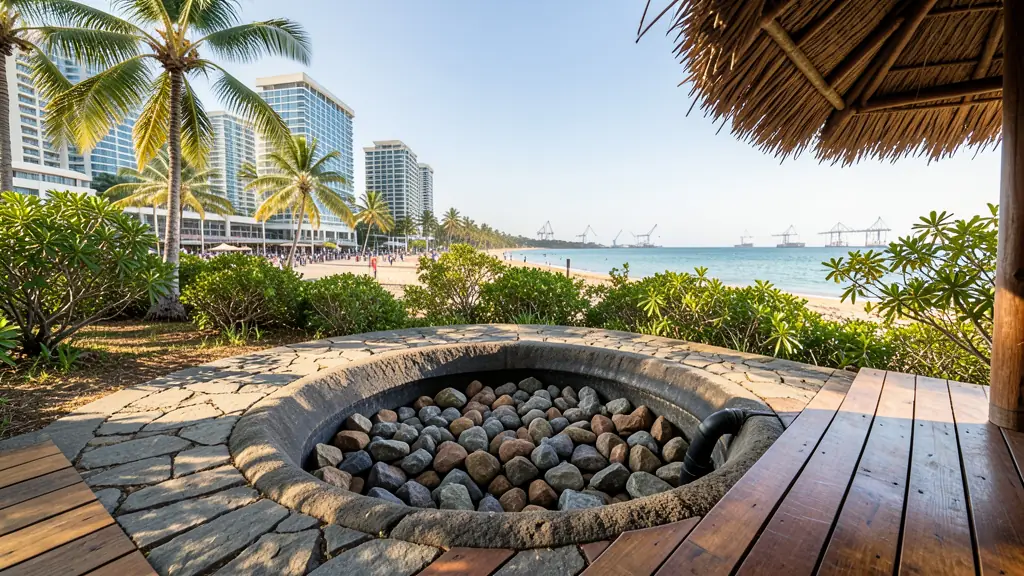
Phoning around for soakaway in Durban takes time, and every company asks the same questions. Send one job card instead and we pass it to drainage contractors and septic installers who serve Durban and nearby areas of KwaZulu-Natal. They quote on the work, travel, disposal and how soon they can come.
Soakaways in Durban
Soakaway work in Durban is mostly booked by owners of plots, farms and older houses where a septic tank is the only option. Share the number of people, the tank size and whether the ground is sandy, clay or rocky, so contractors serving Durban and the rest of KwaZulu-Natal can quote accurately.
Want to know more first? Our soakaway guide covers the options, what to check and what affects the price.
Septic tanks and drainage in Durban
Most of Durban is on the municipal sewer, so septic and conservancy tanks matter in the pockets that are not: older homes on the Bluff and in parts of Westville, new developments on the northern and western edges, and plots in Hillcrest and Waterfall. Sandy coastal ground and a high water table mean soakaways saturate quickly after summer storms, and many sites use sealed conservancy tanks instead. Restaurants and hotels along the beachfront and in Umhlanga need regular grease trap and tank clearing. Honey sucker operators work from the southern basin, Pinetown and the North Coast, and the municipal works accepts loads at designated disposal points.
Typical soakaway requests in the area come from:
- Houses: a new or rebuilt soakaway for an older house whose pit has clogged or flooded
- Estates and complexes: sizing pits for shared tanks on a complex, with a test report for the body corporate
- Restaurants, shops and offices: pits for rural shops, filling stations and restaurants that are not on a sewer
- Lodges, guesthouses and venues: larger or multiple pits that cope with peak guest numbers and seasonal overloading
- Factories, mines, sites and events: pits for site offices, depots and ablutions, sized for the number of workers
- Smallholdings and plots: a larger pit or two linked pits on a smallholding with space but heavy clay soil
- Schools, churches and clinics: large pits for schools, clinics and churches, designed for heavy daytime use
Local tips for Durban
Common here: conservancy tanks on high water table sites, septic tanks with soakaways inland. Ask each operator or contractor to allow for this: ask for the disposal slip from the eThekwini works as proof of legal dumping. Help usually comes from operators in Prospecton, Pinetown and along the North Coast.
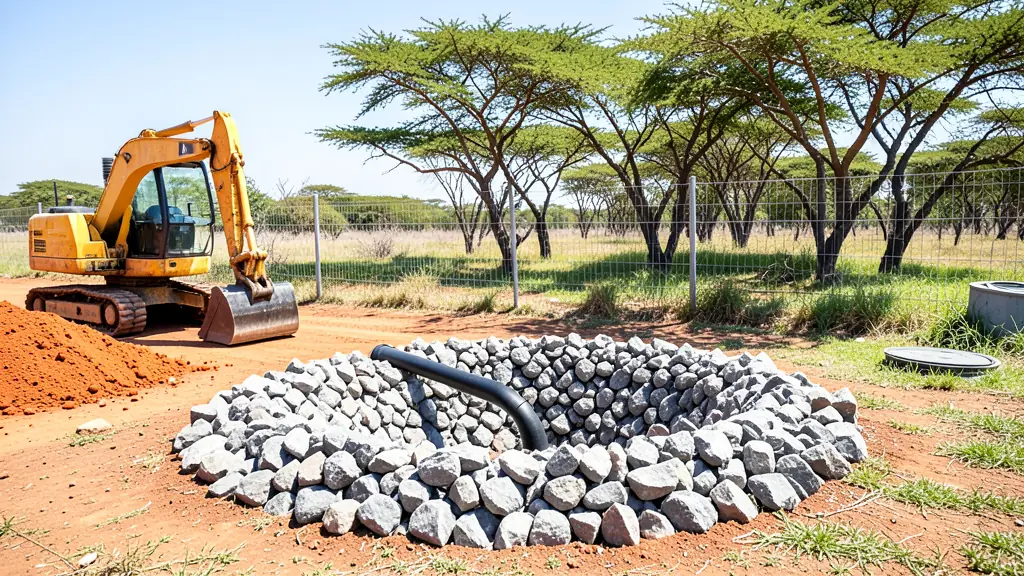
Soakaways usually means dig a pit, fill it with stone or fit chambers, for 2 to 3 m across, 1.5 to 2.5 m deep, check yearly, lasts 15 to 25 years. Ground in the area: sandy coastal soil and a high water table: soakaways flood after storms.
What to include in your request
- Number of people using the system and the tank size in litres
- Whether this is a new soakaway or a repair of an old one
- Soil type and whether a percolation test has been done
- Distance to buildings, boreholes, streams and boundaries
- Stone pit, rubble pit or chamber, if you have a preference
The more detail you give, the more accurate your quote will be.
Service area: Durban and surrounds
Operators, contractors and suppliers on our network work in Durban and surrounding areas, including Umhlanga, Pinetown, Westville, Umlazi, Phoenix, Chatsworth, Berea. Give the suburb, holding or farm name so the quote can include travel, and say how soon you need someone.