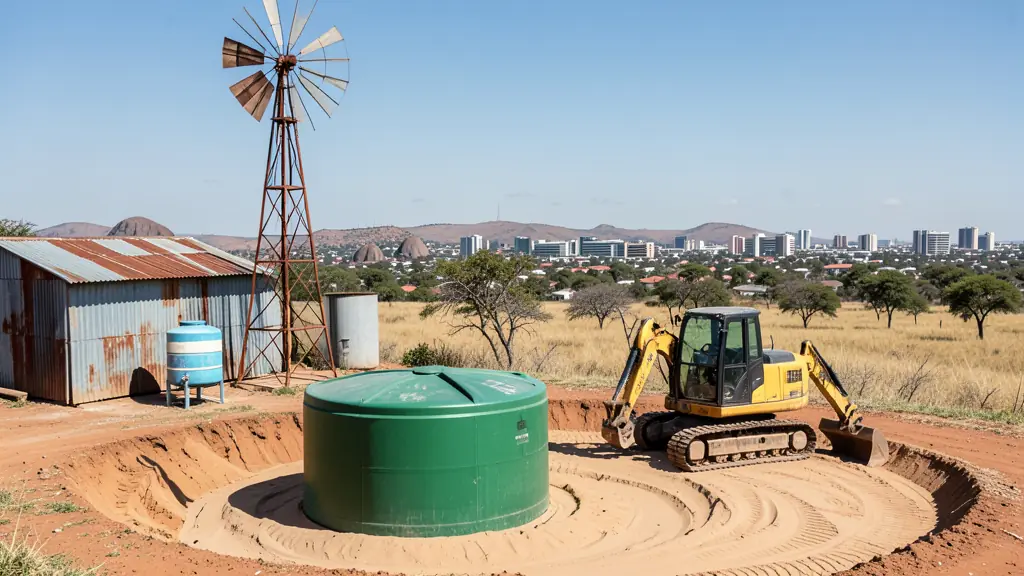
Phoning around for plastic septic tanks in Polokwane takes time, and every company asks the same questions. Send one job card instead and we pass it to tank suppliers and septic installers who serve Polokwane and nearby areas of Limpopo. They quote on the work, travel, disposal and how soon they can come.
Plastic Septic Tanks in Polokwane
Plastic septic tanks in Polokwane are popular for new houses, cottages and lodges, where a light tank can be delivered and set quickly. Give the tank size, the soil type and whether the water table is high, so suppliers serving Polokwane and the rest of Limpopo can quote delivery and installation correctly.
Want to know more first? Our plastic septic tanks guide covers the options, what to check and what affects the price.
Septic tanks and drainage in Polokwane
Polokwane is the economic hub of Limpopo, with the sewer covering the central suburbs and the newer townships but not the expanding edge. Smallholdings around Bendor, Westenburg and Flora Park, farms on the Haenertsburg and Mokopane roads, and villages such as Moletjie depend on septic tanks and soakaways. Granite koppies and weathered gravel soils drain well in parts, yet shallow rock raises excavation costs. The climate is hot with summer storms, and drought years bring water restrictions that affect flushing and tank loads. Honey sucker operators and tank suppliers work from the Industrial Area and Seshego, and lodges on the outskirts run treatment plants.
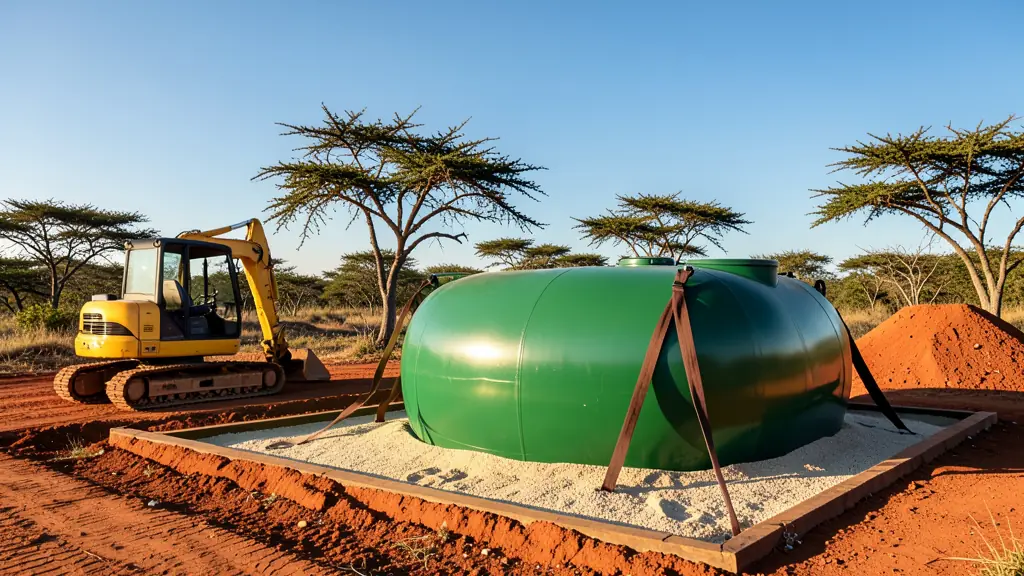
Typical plastic septic tanks requests in the area come from:
- Houses: a 2,500 to 5,000 litre buried tank for a new or renovated off-sewer house
- Smallholdings and plots: a light tank that one truck can deliver to a remote building site
- Estates and complexes: a row of plastic tanks serving a few cottages or units on shared ground
- Restaurants, shops and offices: small tanks behind a shop, restaurant or filling station, with a grease trap upstream
- Schools, churches and clinics: tanks for a rural school or clinic where installation must be quick
- Farms and game farms: tanks for worker housing and farmstalls, often delivered a long way from town
- Lodges, guesthouses and venues: larger tanks in series for chalets, with anchoring where the ground is damp
Local tips for Polokwane
Most work in Polokwane is done by teams based in honey sucker operators and tank suppliers in the Industrial Area, and the usual setup is septic tanks and soakaways on holdings, shared tanks in new estates. When you ask for quotes, ask whether the quote includes rock breaking if the soakaway trench hits granite.
Plastic Septic Tanks usually means rotomoulded polyethylene tank, buried, for 1,000 to 10,000 L, or tanks in series, lasts 20 to 30 years if buried correctly. Ground in the area: granite and shallow rock in places: soakaway trenches can be hard to dig.
What to include in your request
- Tank size in litres, or the number of people and bedrooms
- Delivery address and how close a truck can get to the hole
- Soil type and whether the water table is high
- Whether you want supply only or supply and installation
- Municipal approval status and the drainage plan, if any
The more detail you give, the more accurate your quote will be.
Service area: Polokwane and surrounds
Operators, contractors and suppliers on our network work in Polokwane and surrounding areas, including Seshego, Mankweng, Bendor, Flora Park, Moletjie, Westenburg, Ga-Mothapo. Give the suburb, holding or farm name so the quote can include travel, and say how soon you need someone.