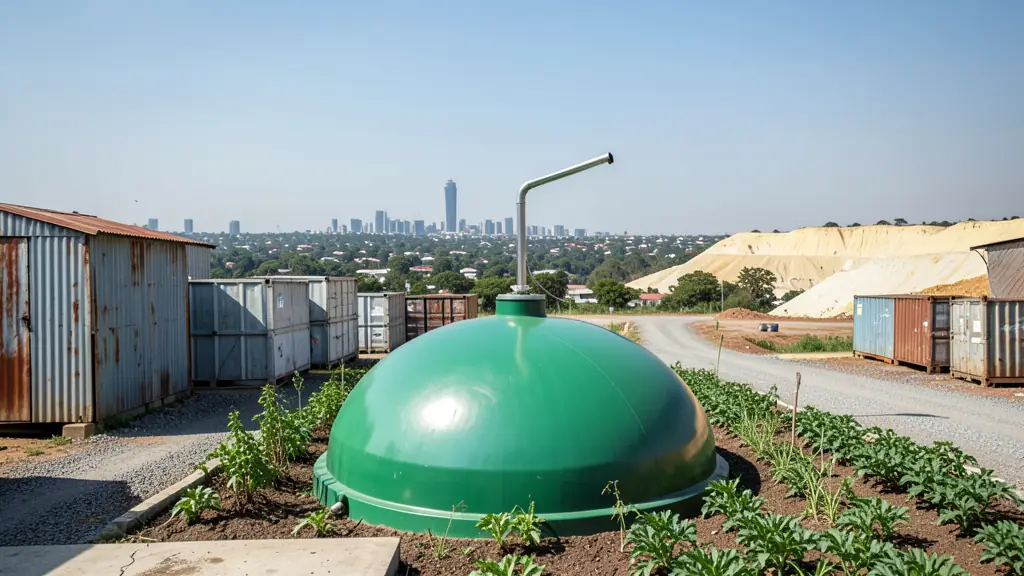
Phoning around for biodigesters in Johannesburg takes time, and every company asks the same questions. Send one job card instead and we pass it to biodigester suppliers and installers who serve Johannesburg and nearby areas of Gauteng. They quote on the work, travel, disposal and how soon they can come.
Biodigesters in Johannesburg
Biodigesters in Johannesburg appeal to owners of plots, farms and lodges who are off the sewer and want less pumping. Mention your soil, the number of users and whether you want biogas, so suppliers working in Johannesburg and across Gauteng can recommend the right unit.
Want to know more first? Our biodigesters guide covers the options, what to check and what affects the price.
Septic tanks and drainage in Johannesburg
Most of Johannesburg is on the municipal sewer, so septic and conservancy tanks turn up in pockets: older homes in the south, plots on the city edge such as Lanseria and Diepsloot, and commercial sites where connections never reached. Conservancy tanks serve some new developments waiting for bulk services, and tanker trips to the Goudkoppies and Olifantsvlei works are common. Rocky ridges and clay mean soakaways drain slowly in summer storms. Honey sucker operators work from the southern and western industrial areas and cover most suburbs the same day, though peak weeks after heavy rain run behind. Ask what size tank you have before booking.
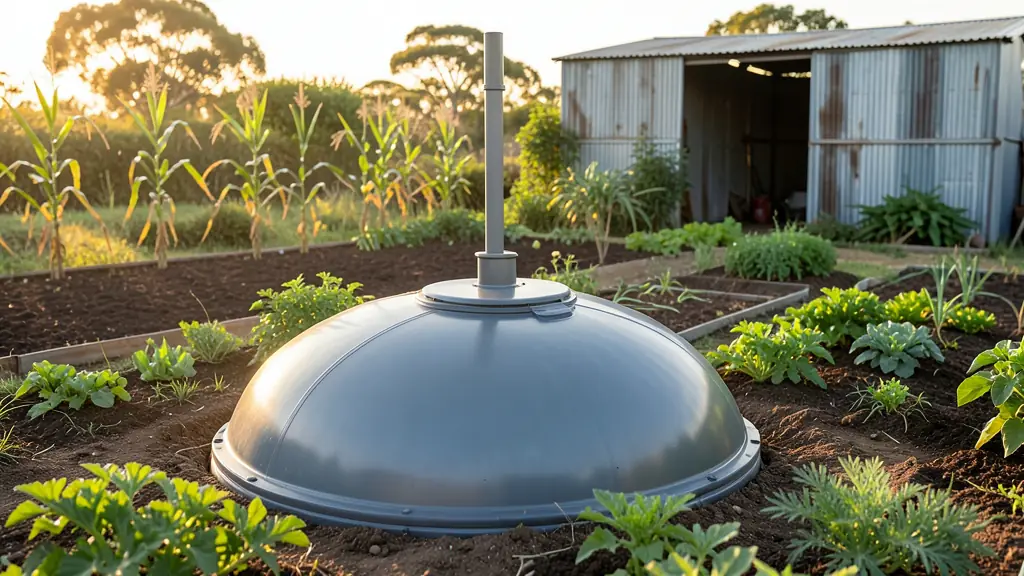
Typical biodigesters requests in the area come from:
- Houses: a compact digester that replaces an old septic tank at an off-sewer house
- Restaurants, shops and offices: a small unit for a roadside shop or office that is far from a sewer
- Estates and complexes: a shared digester for a small cluster, with approval from the body corporate
- Factories, mines, sites and events: a site unit for staff ablutions at a quarry, depot or remote works
- Schools, churches and clinics: a digester for a rural school or clinic where pump-out trucks are far away
- Smallholdings and plots: a larger digester with biogas for the kitchen and treated water for the garden
Local tips for Johannesburg
In Johannesburg, the most common systems are conservancy tanks on new sites, old septic tanks in older homes, grease traps in shops. Operators and suppliers mostly work from southern and western industrial areas, with tankers also running from Roodepoort. A useful tip: ask which works the load is tipped at and for a disposal slip.
Biodigesters usually means sealed anaerobic tank with a gas outlet, for 3,000 to 10,000 L household units, inspect yearly, pump rarely. Ground in the area: clay and rocky ridges: soakaways drain slowly after summer rain.
What to include in your request
- Number of people using the toilets and bathrooms
- Whether kitchen and bath water will also enter
- Soil type and distance to boreholes or streams
- Whether you want biogas for cooking
- Your municipality and any plans already approved
The more detail you give, the more accurate your quote will be.
Service area: Johannesburg and surrounds
Operators, contractors and suppliers on our network work in Johannesburg and surrounding areas, including Sandton, Randburg, Roodepoort, Soweto, Rosebank, Fourways, Melville. Give the suburb, holding or farm name so the quote can include travel, and say how soon you need someone.
- Biodigesters in Pretoria
- Biodigesters in Centurion
- Biodigesters in Midrand
- Biodigesters in Sandton
- Biodigesters in Randburg
- Biodigesters in Roodepoort
- Biodigesters in Krugersdorp
- Biodigesters in Randfontein
- Biodigesters in Germiston
- Biodigesters in Boksburg
- Biodigesters in Benoni
- Biodigesters in Kempton Park
- Biodigesters in Alberton
- Biodigesters in Vanderbijlpark
- Biodigesters in Vereeniging
- Biodigesters in Gauteng