
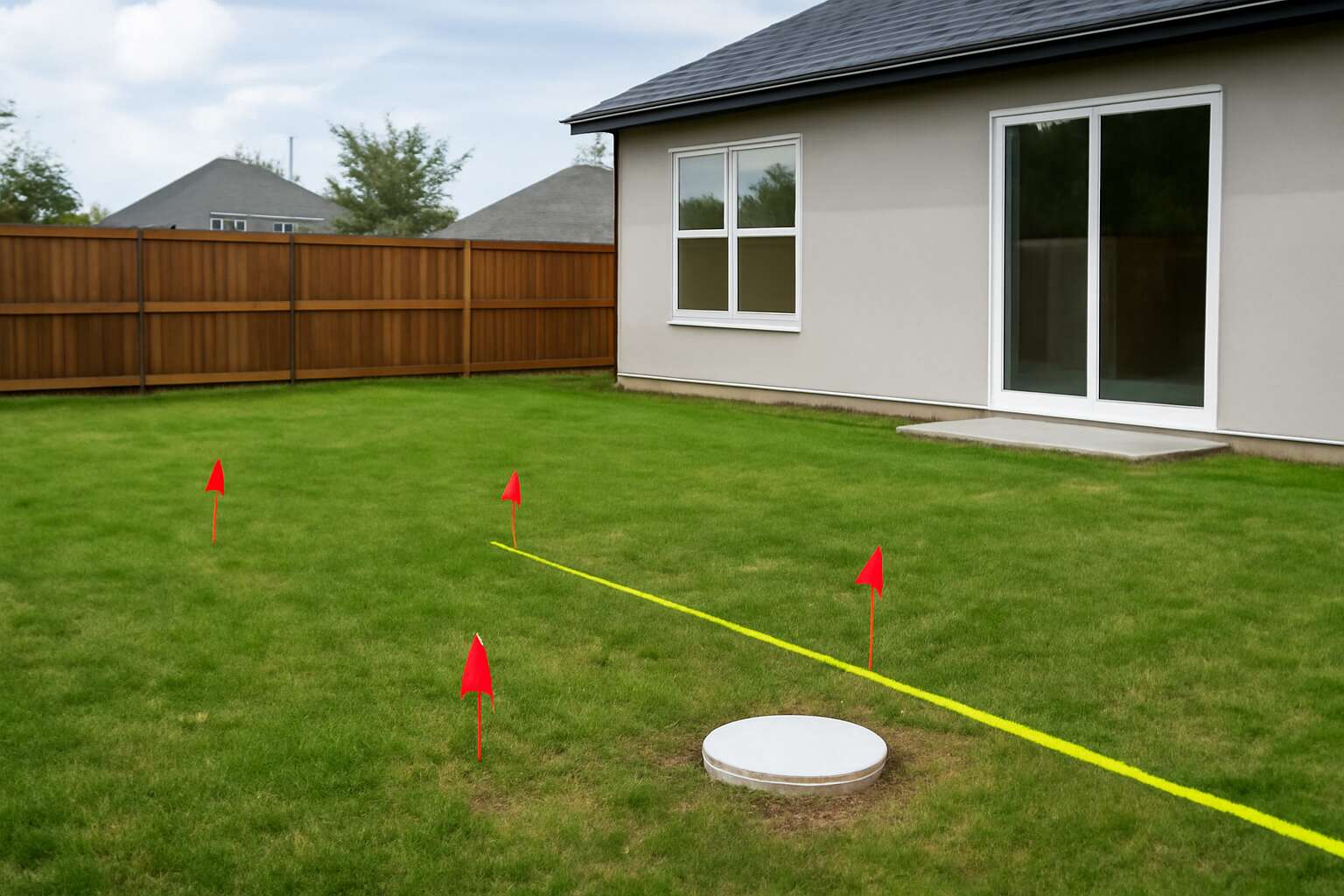
Septic setback fundamentals
Definition of setback distances from septic tanks and drain fields
Setbacks are quiet guardians of our yards. How far from septic tank can you build? In the quiet calculus of a yard, a line on a plan can decide the dream’s fate. The answer sits inside a rulebook that grows with context—the distance to shield soil, water, and living spaces, not a mere number.
Septic setback distances from septic tanks and drain fields are the minimum clearances to prevent contamination and protect wells and soil. They are defined by local authorities and vary with soil type, groundwater depth, and system design, so there is no one-size-fits-all rule for every South African plot.
Several forces shape these measures:
- soil structure and permeability
- water table depth
- proximity to wells and streams
In South Africa, the exact setback sits in municipal by-laws and environmental guidelines—check local planning codes to know how to align your project with the land’s quiet rhythms.
Common setback ranges for residential properties
In the quiet calculus of site planning, setbacks are the guardians of future comforts. “Setbacks are the quiet guardians of your yard,” a planner once told me, and the truth lands with weight: how far from septic tank can you build isn’t a single line but a living balance. It emerges from soil whispers and water rhythms, a threshold that protects soil, wells, and living spaces while keeping design dreams intact.
Common setback ranges for residential properties vary by municipality, soil, and groundwater. When you ask how far from septic tank can you build, you’re reading a landscape of bands rather than a fixed datum—from a few metres to the house, to 15–30 metres near wells or streams. In South Africa, these figures ride on local guidelines and soil reports, shaping the plan without surrendering the land’s quiet integrity.
How soil type and percolation influence setbacks
Clay and wind have a say in every South African build. ‘Soil speaks first in every plan,’ a veteran planner once told me, and the truth lands with weight. The distance for a septic setup is a living boundary written by earth and water.
- Clay soils: slow drainage, perched groundwater, and larger buffers are common
- Sandy soils: rapid drainage, potential for quicker contaminant movement near shallow groundwater
- Loamy or gravelly mixes: balanced rates offering moderate setbacks
South Africa’s guidelines ride on local soil reports and groundwater assessments, shaping the plan without surrendering the land’s quiet integrity. When readers ask how far from septic tank can you build, they read a landscape of bands.
Impact of alternative septic systems on required distances
A veteran planner once said, ‘soil speaks first in every plan,’ and the sentiment lands with weight. Septic setback fundamentals are living boundaries—buffers that guard groundwater and neighborly quiet. How far from septic tank can you build, a question shaped by soil, water tables, and the chosen system.
Alternative septic systems shift those distances. ATUs, mound systems, or drip dispersal change the effective footprint, nudging setbacks in subtle ways. The right choice can preserve the plot’s dignity or tighten it, depending on site specifics.
- Aerobic treatment units (ATUs) and secondary filtration
- Mound systems repositioning drain fields above troublesome soils
South Africa’s guidelines ride on local soil reports and groundwater assessments, shaping the plan without surrendering the land’s quiet integrity.
Local regulations and permits
State and local setback requirements for homes
“Local planning is the quiet architect of your home’s footprint!” a veteran planner says. In South Africa, local regulations and permits determine how close a structure can sit to a septic system, with setback rules varying by municipality and property type.
Residents often ask how far from septic tank can you build, and the answer hinges on local setbacks.
- Municipal Planning Department or Zoning Office
- Water Services Authority or Utility
- Environmental Health or Environmental Compliance Office
Municipal planning departments, water services authorities, and environmental health offices shape the distances to protect groundwater and living spaces.
Urban versus rural sites, boreholes, and streams all color these requirements.
Respecting regulatory distances preserves property value and safety and avoids delays in approvals, a quiet guardian of a solid build.
Permitting processes and required documentation
In South Africa, permit delays bite hardest when the paperwork isn’t complete. A quiet rulebook governs how structures take shape, and local regulations determine how near a septic system can sit. The triad of oversight—Municipal Planning Department, Water Services Authority, Environmental Health Office—shapes setbacks and approvals!
Permitting processes hinge on accurate documentation and clear intent. Your permit package typically includes the following:
- Site plan showing footprint, access, and setback lines
- Wastewater layout with soil notes
- Proof of ownership and neighbour consent if required
- Environmental health clearance or groundwater protection measures
Submission travels to the Planning Department, Water Services Authority, and Environmental Health Office, where a measured review follows. Timelines vary, but a complete package stops delays from spiraling and keeps sites on track. how far from septic tank can you build
Zoning considerations that affect build distances
Zoning delays are a daily drumbeat in SA construction, shaping more than just aesthetics; they decide the footprint itself. Local regulations dictate how far a new structure can sit from property boundaries, roads, and drainage lines, turning planning into a careful choreography. Distances aren’t arbitrary—they’re carved into the site by overlays, zoning codes, and the expectations of planning authorities who weigh density, safety, and access in equal measure.
Localized permitting hinges on clear intent and precise mapping. Consider these zoning touchstones that influence build distances:
- Zoning category and overlays that set minimum setbacks
- Road reserves and sightline requirements affecting street-facing offsets
- Proximity to watercourses, environmentally sensitive areas, or groundwater protection zones
In practice, how far from septic tank can you build is determined by these layered constraints rather than a single rule—and knowing them early can keep the project on track.
Variances and appeals: when they apply
Local regulations and permits shape every project, not just the footprint. In South Africa, councils require a clear setback plan, mapped drainage, and proper documentation before a build begins. How far from septic tank can you build? The answer sits in those regulatory rails, not gut feeling or urban legend!
Variances and appeals come into play when the plan meets hurdles: a property’s unique topography, an overlay, or a road reserve makes standard setbacks impractical. When that happens, you apply for a variance and, if needed, appeal decisions through the planning authority.
- Site constraints caused by overlays or zoning that block standard distances
- Unusual drainage, flood risk, or groundwater protection requirements
- Municipal or environmental authority demands specific documentation or assessments
Timelines vary, and evidence of safety and community viability can tilt the outcome. It’s a formal process, not a negotiation, so prepare mapping, certifications, and a clear rationale.
Site factors that modify build distance
Soil conditions and groundwater proximity
Property theatre in South Africa rewards the careful reader: one misread setback can turn a sunlit corner into a soggy embarrassment. There is no universal shrug; how far from septic tank can you build is a question that site conditions and groundwater proximity call the tune.
Soil conditions swing the fine print by meters. Loose, sandy soils drain quickly and permit closer margins; heavy clay holds moisture and pushes the buffer outward. Groundwater proximity matters too—seasonal rises can shrink or widen the effective setback, depending on rainfall and slope.
- Soil texture and percolation rates
- Depth to groundwater and seasonal fluctuations
- Subsurface rock, fill, and drainage patterns
In practice, the land whispers; readers learn to listen to drainage, rainfall, and soil memory.
Slope, drainage, and erosion control implications
On South African properties, site factors tilt the build distance dial; a gentle slope can channel water away, while a steep grade can hurry moisture toward the septic boundary. The question how far from septic tank can you build becomes a moving target when slope, drainage, and erosion interplay.
Consider drainage patterns: where water gathers during rain, the effective setback expands to protect the drain field and groundwater.
- Slope and runoff direction
- Soil erosion potential on exposed cuts
- Vegetation and soil stabilization works
Erosion control and drainage management sway the buffer over time, inviting readers to listen to the land’s memory—the whispers of rainfall, slope, and soil memory.
Proximity to wells, water lines, and other utilities
Across South Africa, a recent survey found 28% of residential sites require larger setbacks due to hidden water lines. The question how far from septic tank can you build becomes a moving target when utilities thread through the yard, bending the build distance dial.
Consider proximity to wells, water lines, and other utilities as you plan the buffer.
- Wells and boreholes with active pumps
- Water mains and service lines
- Irrigation mains and drainage runs
- Electrical cables and telecom ducts
- Property boundaries and easements
Planners map these corridors with precision; the land’s memory shifts with rainfall and aging pipes, so the official setback will be a living guideline rather than a fixed rule.
Future property boundaries, easements, and setback buffers
Across South Africa, 28% of residential sites require larger setbacks due to hidden water lines—a reminder that land’s memory shifts with rainfall and aging pipes. The question of how far from septic tank can you build becomes a moving target as buffers evolve along the plan.
Site factors that modify the build distance include future property boundaries, easements, and setback buffers.
- Future property boundaries and easements that may widen the required area
- Expansion of utility corridors and service lines
- Local planning changes that redraw setback buffers
Planners map these corridors with precision; the reality is fluid as rainfall, repairs, and redevelopment ripple through the yard. By keeping the idea of future buffers in view when sketching layouts, the site remains adaptable without compromising essential safety and compliance. The phrase how far from septic tank can you build threads through conversations as new agreements emerge.
Impact of existing septic systems on new construction distances
Across South Africa, 28% of residential sites reveal hidden lines that redraw the map of safe distances. When planning where to place a home or extension, site factors that modify build distance exert their influence with quiet gravity. The question how far from septic tank can you build sits beside soil health, drainage patterns, and existing infrastructures, shifting as tanks age and new plans emerge. Existing septic systems can act as anchors, constraining footprints and nudging structures outward to preserve maintenance access and future service life.
Key considerations include:
- Proximity to the existing septic field and its drainage pattern
- Maintenance access and visibility for inspections
- Future expansions, easements, or utility corridors that may redraw buffers
That question—how far from septic tank can you build—continues to guide decisions as ground remembers rainfall, repairs, and redevelopment. The distances become poetry and planning, a balance between safety, practicality, and the aspiration of a well-loved home.
Planning and safe building practices near septic systems
Choosing building locations that respect setbacks
In South Africa’s evolving suburbs, the true measure of space is defined by setbacks rather than footprints. “Setbacks aren’t obstacles; they’re the outline of your future,” a veteran planner likes to say. The question remains: how far from septic tank can you build?
Choosing building locations that respect setbacks means weighing where the tank and drain field sit against the land’s natural rhythms. Consider aquifers, slope, and drainage, not only distance. A thoughtful plan seeks gentle grades, stable soils, and clear lines to utilities while orienting living spaces away from likely effluent pathways.
- Soil permeability and drainage patterns
- Proximity to wells and water lines
- Easements and future boundary considerations
- Slope and erosion risk
Alternative foundation layouts and setback considerations
“Setbacks aren’t obstacles; they’re the outline of your future,” a veteran planner likes to say. Planning near septic systems in South Africa’s evolving suburbs is not about bending rules; it’s about listening to the land. The guiding question becomes how far from septic tank can you build, and the answer rests in rhythm rather than distance. Thoughtful planning honours gentle slopes, stable soils, and clear pathways to utilities while keeping living areas out of potential effluent sway.
Alternative foundation layouts and setback considerations offer graceful options for protection without surrendering space. Here are conceptual approaches to fit SA plots and permit workflows:
- Elevated foundations to keep structures out of drain-field zones
- Orientation that positions living spaces away from effluent pathways
- Gentle grading and permeable surfaces to manage water flow
These choices weave safety with serenity, turning setbacks into a design compass.
Inspection checklists and precautionary steps
“Setbacks are the compass, not the obstacle,” a veteran planner reminds us. Planning near septic systems in South Africa’s evolving suburbs isn’t about bending rules; it’s about listening to the land. The question how far from septic tank can you build becomes a rhythm, a conversation with gentle slopes and stable soils rather than a blunt distance.
Planning and safe building practices near septic systems hinge on an inspection mindset. Consider this quick checklist to guide careful siting:
- Verify actual setback lines using site plans and markers
- Map effluent pathways and ensure living spaces sit outside their influence
- Assess drainage routes and soil permeability to prevent pooling
Inspection checklists and precautionary steps accompany the planning narrative, with attention to future property boundaries and safer grading. Harmony between structure and land emerges when distance softens into design, turning potential sway into a curated landscape.
Common mistakes to avoid and best practices
Distance is not a barrier but a dialogue with the land. In South Africa’s evolving suburbs, I watch plots breathe when planning around a septic system. The guiding question, how far from septic tank can you build, becomes a rhythm that tunes design to gentle slopes and stable soils—not a blunt metric. An inspection mindset anchors every choice, listening for water, soil, and subtle warning signs.
- Underestimating soil permeability and overlooking drainage paths, which invites pooling near foundations.
- Ignoring actual setback markers on site plans, creating silent boundary disputes.
- Placing living spaces or outdoor rooms directly over effluent pathways or venting shafts.
Best practices emerge when the plan honors future property boundaries and works WITH the land: map effluent routes, align foundations with natural grades, and maintain clear zones around tank access. I’ve seen harmony develop where careful siting becomes a quiet act of respect for water and soil.
Frequently asked questions about septic setbacks
Setbacks are conversations with the land, not blunt lines on a plan! A recent read from South Africa’s builders suggests that nearly one in three site issues stem from a mismatch between design and soil and water realities. As I’ve learned walking new subdivisions, the ground speaks in slope and dampness.
When you ask how far from septic tank can you build, you’re really asking to hear that dialogue clearly. Planning around a septic system becomes a rhythm with the land—align foundations with natural grades, map potential effluent paths in advance, and honor clear zones around access points. Instead of treating setbacks as rigid lines, treat them as living instructions from soil and water.
In practice, safety means choosing places that breathe with the site—avoiding perched water, respecting drainage, and keeping living spaces away from effluent routes. The land rewards evidence-based siting with enduring comfort and fewer disputes. That question—how far from septic tank can you build—echoes a land-driven ethic.



0 Comments