
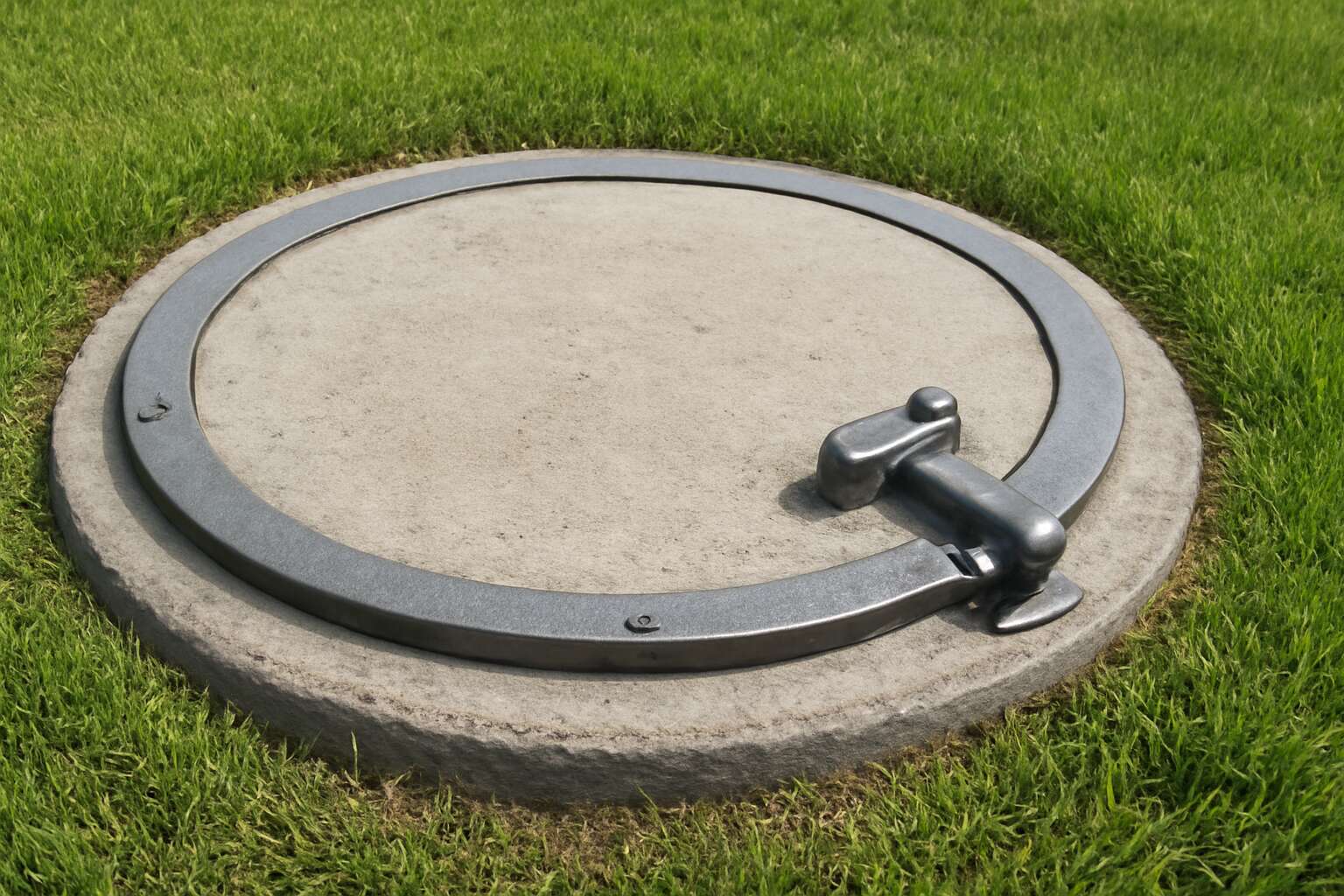
Understanding Septic Tank Access and Covers
What is a septic access cover and why it matters
Protecting what lies beneath is more than practicality—it’s ethics in motion. “The lid is the quiet sentinel guarding the health of the home,” an engineer often says. In South Africa, a sturdy septic tank hole cover isn’t just a trap for rain; it’s a shield against odors, leaks, and accidental intrusion into the living space.
Understanding septic access and covers means recognizing what lies under stainless steel or reinforced concrete—an access point that must be secure, accessible, and durable. The right cover balances accessibility with safety, keeping children and wildlife away while allowing authorized service personnel to reach the chamber with minimal disruption.
- Durable materials that resist corrosion
- Security features to prevent tampering
- Weather and UV resistance for SA climate
Common materials used for septic covers
Behind every home lies the quiet door to a waste system. An access point must be secure, accessible, and durable—especially in South Africa’s climate and bustling neighborhoods. A well-made septic tank hole cover acts as a discreet guardian, balancing safety with ease of service while deflecting odors from living spaces. A shield against odors!
- Stainless steel or galvanised steel for corrosion resistance in damp environments.
- Reinforced concrete for rugged load-bearing strength and long service life.
- High-density polymer composites for lighter weight, UV resistance, and easier handling.
Material choices shape performance—offering corrosion resistance, weather resilience, and tamper protection in one elegant package. The right cover inspires confidence and protects families, maintaining the quiet dignity of the home.
How access covers work with risers and lids
Local stats say 68% of homeowners underestimate septic access maintenance, which is why the right approach to the septic tank hole cover is a quiet game-changer. Access points should be easy to lift for technicians but tricky for curious pets—and they must seal out odours while you sleep.
Here’s the breakdown in practical terms:
- Risers bring the access point to a convenient, above-ground level
- Lids provide a secure, tamper-resistant seal
- Gaskets and seals prevent odours from escaping
- Vent features help manage pressure and reduce backflow
The right setup balances accessibility with security, so maintenance is straightforward, not an “arcane ritual.”
When these elements align, a septic tank hole cover operates like a discreet gatekeeper—easy for service, difficult for trouble, and friendly to your South African home’s daily rhythm.
Regulations and codes for septic access covers
68% of homeowners underestimate septic access maintenance, and that gap shows up in SA households with odours and awkward shutdowns. In South Africa, understanding the regulations that govern the septic tank hole cover and access systems is essential. Regulations and codes shape how access points are designed, installed, and sealed, ensuring safety, hygiene, and environmental protection while allowing service teams to work efficiently.
Key regulatory considerations include:
- Adherence to South African standards and any applicable SABS or SANS guidelines for septic access points
- Municipal bylaws mandating tamper resistance and secure locking features
- Ventilation, odour control, and sealing requirements to prevent backflow
When these codes align, the septic tank hole cover supports a compliant, well-maintained system that fits into a South African home’s daily rhythm.
Signs your cover needs replacement
Under South Africa’s roofs, the septic tank hole cover acts as a gatekeeper between daily life and the unseen world below. A sturdy, properly fitted cover keeps odours at bay and invites routine maintenance. When age wears it down, the signs arrive with speed and clarity.
Here are the telltale signs to watch for, drawn from SA homes facing stubborn odours and awkward shutdowns:
- Cracked, chipped, or corroded lid that compromises the seal
- Warped or loose lid not sitting flat
- Damaged or missing locking/tamper features
- Visible rust around hardware or hinges
- Persistent odours around the access point
- Ground sinking or water pooling near the rim
- Difficult to lift or misaligned lid
When these indicators appear, a professional assessment is wise to safeguard safety, hygiene, and regulatory compliance, ensuring the septic tank hole cover keeps pace with a home’s rhythms.
Material Options and Durability
Concrete vs. plastic septic lids
A sturdy septic tank hole cover is more than a curbside prop; it’s the quiet guardian of your underground system. In South Africa’s sun-baked towns, a well-chosen lid reduces odours, deters pests, and minimizes disruptive maintenance—qualities that save time and temper in equal measure.
Material options include several pathways to durability:
- Concrete: heavy, durable, ideal for high-load areas.
- High-density polyethylene (plastic): light, corrosion-resistant, easy to handle.
- Composite blends: strength with improved impact resistance.
Durability hinges on load rating, weather exposure, and how the lid is secured. The septic tank hole cover you choose should balance weight, security, and longevity—concrete lids shrug off ground movement but are heavy, while plastic lids stay light and weathered less but can soften in heat. A smart blend of materials often delivers the sweetest, no-drama longevity.
Durability factors: weather, UV, freeze-thaw
Material options span the practical spectrum: concrete for stubborn stability in high-load zones, and high-density polyethylene for a lid that’s easy to handle and corrosion-resistant. Composite blends offer endurance with a lighter touch, a welcome middle path for sites where soil shifts and maintenance cycles are constant. For a septic tank hole cover, this balance means lasting protection without heavy daily handling.
Durability hinges on weather exposure, UV, and freeze-thaw rhythms. In South Africa’s sun-drenched towns, UV resistance is as crucial as load capacity.
- UV resistance and color stability
- Freeze-thaw resilience
- Secure fit to prevent movement
- Effective sealing to curb odours
That balance informs long-term performance across seasons and soil.
Weight and safety considerations
South Africa’s sun is no joke; the septic tank hole cover you choose must endure heat, weight, and the occasional flood without drama. Material options span the practical spectrum: concrete for stubborn stability in high-load zones, high-density polyethylene for a lid that’s easy to handle and corrosion-resistant, and composite blends for a lighter, durable middle path where soil shifts are frequent. This balance translates into long-term reliability rather than daily wrestles with a creaky lid.
Durability weight and safety considerations tip the scales toward lids that combine grip, UV resistance, and a watertight seal.
- UV resistance and color stability
- Freeze-thaw resilience
- Secure fit to prevent movement
- Effective sealing to curb odours
Across South Africa, choosing the right septic tank hole cover means balancing load-bearing needs with maintenance ease and dependable closure across seasons.
Maintenance implications by material
South Africa’s sun doesn’t merely warm the surface—it tests every septic system component that peeks above ground. A well-chosen septic tank hole cover keeps odours in, rain out, and curious feet away, even when heat makes plastics sag.
Concrete offers stubborn stability in high-load zones, but its weight and propensity to crack demand periodic inspection. High-density polyethylene lids are lighter, easier to handle, and naturally corrosion-resistant, yet inspection should guard against warping. Composite blends strike a balance: lighter than concrete, tougher against soil shifts, with steady performance in mixed soils.
Across the country, durability maintenance implications dictate long-term reliability more than daily convenience. The right septic tank hole cover stands up to sun, flood, and time, doing quiet, steadfast work beneath the landscape.
Sustainability and recycling of covers
In South Africa’s sun-warmed yards, the septic tank hole cover is a quiet guardian. It keeps odours in, rain out, and curious feet away, even when heat makes plastics sag. Material choice shapes durability and the long arc of a cover’s life—and what’s left when it finally returns to the soil.
To balance durability with sustainability, consider these attributes:
- Recyclability and lifecycle of the material
- Local manufacturing to cut transport emissions
- Weight and handling safety for field crews
- Resistance to UV, heat, and freeze-thaw cycles
A properly chosen septic tank hole cover respects the land, lasts longer, and keeps service calls down in rural South Africa.
Installation and Fitment
Measuring openings and choosing the right size
South Africa faces a shocking statistic: wrong sizing of access points can boost maintenance calls by up to 30%. The right choice—a well-sealed septic tank hole cover—cuts both odors and hazards, while a misfit invites leaks and risks. Size and strength matter more than curb appeal.
Measuring openings and choosing the right size is more art than guesswork. Consider these checks:
- Measure the opening’s diameter at several points to catch any irregularity
- Note depth and flange thickness so the lid seats evenly
- Account for risers, adapters, or locking mechanisms to ensure a secure fit
A proper fit sits flush, resists weathering, and minimizes trip hazards on South African driveways. When the lid aligns with the surrounding surface, maintenance is quieter and the system stays protected from dirt and pests.
Risers, extensions, and proper fit
South Africa’s driveways tell a cautionary tale: wrong sizing of access points can boost maintenance calls by up to 30%. A proper install begins with the right fit for a septic tank hole cover, a lid that sits flush and resists the elements.
Risers and extensions are more than add-ons; they compensate for grade, soil settlement, and curb height. With careful planning, the lid aligns with the surrounding surface and retains a weatherproof seal.
- Risers should match the flange thickness and diameter
- Extensions should preserve the load path and locking compatibility
Think of it as a quiet guardian: a well-fitting cover reduces odors and pests while keeping hazards at bay on SA driveways.
DIY installation tips and common mistakes
A properly fitted septic tank hole cover does more than keep out curious paws; on South Africa’s driveways, a loose lid invites maintenance calls and odors. The right cover sits flush, resisting rain, sun, and freeze-thaw cycles. When a lid mates cleanly with a flange and a weatherproof seal, the system stays quiet and safe.
- Mis-sizing the opening leading to gaps or tipping
- Incompatible flange thickness or diameter causing alignment issues
- Poor or missing weatherproof seal inviting moisture
- Lack of secure locking for pets or vandalism
When selecting a cover, verify the lid matches the flange thickness and diameter—these details guard the load path and prevent creep. Use a compatible sealant to maintain weatherproofing and verify the septic tank hole cover sits level with the surrounding surface to deter pests and odors.
Professional vs. DIY: cost and safety
Installing a septic tank hole cover is more than a budget line item; it’s a line of safety. A properly fitted lid keeps odors closed and curious paws out. On South Africa’s driveways, the right fit sits flush against sun, rain, and the relentless freeze-thaw cycle.
DIY might trim costs, but mis-sizing and mismatched flange can trigger costly callbacks. A professional crew brings precise measurements, proper torque, and knowledge of local codes—ensuring the job withstands heavy traffic and weather. The result is quieter operation and safer handling.
- Correct fit with flange thickness and diameter
- Secure weatherproof seal and level seating
- Locking options to deter pets and vandalism
Choosing professional installation for a septic tank hole cover pays off in long-term durability and fewer maintenance calls.
Safe handling and installation precautions
Driveway safety in SA hinges on one thing: a lid that fits. A recent survey found that 7 in 10 homeowners worry about loose septic access covers, because a creak in the night can become a flood by dawn. The right septic tank hole cover keeps odors contained and trespassers out.
Installation and fitment demand more than a glance of attention. A flush, level seating and a robust weatherproof seal are non-negotiables, and locking options add security against pets and vandalism. When a lid is properly sized and fitted, the septic tank hole cover survives sun, rain, and the brutal SA freeze–thaw cycle.
From a safety standpoint, safe handling means clear labeling, secure hinges, and adequate weight distribution so the cover can be moved without strain. A professional approach, with attention to flange thickness and diameter, prevents costly callbacks and keeps your yard serene—almost supernatural in its quiet competence.
Safety, Codes, and Compliance
Local codes, permits, and inspections
Across rural South Africa, a sturdy septic tank hole cover is more than hardware—it’s protection for families and livestock during storms. Safety and compliance go hand in hand, shaping what is allowed on every homestead.
Local bylaws, permit requirements, and inspection routines keep installations aligned with environmental and public health standards. They set expectations for durable materials, secure fittings, and proper access, ensuring the system remains safe.
- Local authorities enforce permits and scheduled inspections to verify proper fit and secure integrity.
- Environmental health guidelines and municipal regulations shape approved materials and performance.
- Record-keeping of inspections helps property owners stay compliant through transfers or renovations.
Ultimately, navigating these rules with care protects the land and the people who depend on it, turning a practical cover into quiet stewardship of home and country.
Fall prevention and protective barriers
Storm-season in rural South Africa is harsh but honest: a septic tank hole cover is safety you can feel. It shields children and livestock from a sudden fall and stands as a quiet pledge of responsible home care.
Safety and compliance walk hand in hand in every homestead. Durable materials, secure fittings, and proper access all shape how a septic tank hole cover protects people and the land, while meeting environmental health expectations.
- Durable, weather-ready materials that withstand sun, rain, and frost
- Secure fittings and locking features to prevent accidental opening
- Access solutions aligned with inspections and maintenance needs without creating hazards
Local authorities’ oversight—permits, inspections, and record-keeping—keeps the system aligned with public health goals. A well-chosen septic tank hole cover becomes more than a lid; it is stewardship in action for families and livestock alike.
Load ratings and usage guidelines
“Safety is a habit, not an accessory,” a rural elder once told me, and a cover embodies that truth. In storm-season South Africa, it becomes a quiet shield for children and livestock, a line drawn in careful sand.
Codes and compliance ensure the cover is more than a lid. It must fit securely, carry appropriate load ratings, and be lockable to deter tampering. Local authorities oversee permits, inspections, and record-keeping, keeping the system aligned with public health goals. A septic tank hole cover should be chosen with clear usage guidelines tailored to your property:
- Load ratings: pedestrian, light vehicle, heavy vehicle
- Locking features and secure fittings
- Weather and environment suitability
For use, maintain a snug seal, ensure accessibility for inspections, and follow safe handling during maintenance. The cover becomes safety you can feel and rely on, day in, day out.
Safety for children and pets
“Safety is a habit, not an accessory,” a rural elder once said, and in storm-season SA that wisdom becomes the quiet shield over every homestead. A septic tank hole cover safeguards children at play and curious pets, turning risky curiosity into calm, family-friendly landscape.
Codes and compliance ensure the septic tank hole cover is more than a lid. It must fit securely, include tamper-resistant locking, and resist weather, with local authorities handling permits and inspections to keep public health goals in view.
- Lockable hardware to deter tampering
- Weatherproof seals for rain and heat
- Strong fittings that withstand livestock movement
This blend of safety and governance makes the cover a guardian you can feel, a silent sentinel over your septic system—yes, the septic tank hole cover in daily service across South Africa.
Inspection schedules and updates
In rural South Africa, a safety snapshot shows risk dropping when a septic tank hole cover is in place; a figure as striking as it is practical—up to 40% fewer incidents—proves safety is a habit, not an accessory. The cover turns curiosity into calm, making play areas safer and the landscape more family-friendly!
Codes and compliance ensure the cover is more than a lid. Local authorities require permits for installation, with inspections scheduled annually or on a rolling basis to keep public health goals in view. Documentation and updates travel with the project to homeowners and inspectors alike.
- Tamper-resistant locking to deter tampering
- Weatherproof seals for rain and heat
- Strong fittings that withstand livestock movement
That blend of safety and governance makes the septic tank hole cover a guardian you can feel—a silent sentinel over the system, especially relevant in rural communities across South Africa.
Maintenance, Troubleshooting, and Longevity
Routine inspection checklist
“Prevention saves more than repairs—and that starts at the lid,” a seasoned plumber likes to say. The septic tank hole cover acts as a quiet sentinel in the South African yard, shaping safety and sanitation while weathering sun and rain. Maintenance begins with mindful checks.
- Seal integrity and lid fit dynamics
- Debris presence and access clarity
- Weight rating verification and riser alignment
When trouble arrives—gurgling drains, odors, or damp soil—inspect the cover and seal first. Look for cracks, warping, or a misaligned rim, and ensure the lid locks and sits flat without wobble.
Longevity thrives through regular cadence. Inspect every six months, verify fit with risers, test movement, and clear vegetation that might pressure the lid. A sturdy cover endures the seasons and keeps communities safe.
Cleaning, corrosion prevention, and sealing
Maintenance around the septic tank hole cover starts with quiet vigilance. Regular scrutiny keeps the lid level, free of debris, and aligned with risers, so rain and sun don’t exploit weak points in South Africa’s climate. This steady attention pays for itself in safety and reliability.
- Environmental exposure and material wear
- Riser alignment and debris management
- Security and pest prevention considerations
When trouble arrives—drains gurgling, odors, damp soil—inspect the cover first. Cracks, warping, or a loose rim signal that it’s not sealing properly. A cracked or misfit lid invites hazards and pest access, so checks should be part of any early response.
Longevity comes from careful cleaning, corrosion prevention, and proper sealing of joints. Keep vegetation away and inspect for rust or wear that could compromise the seal. A well-sealed, durable fit stands up to seasons and daily use.
Spotting cracks, warping, and leaks
Maintenance around a septic tank hole cover demands quiet vigilance. In South Africa’s shifting climate, a lid kept level, free of debris, and aligned with risers becomes a shield against weathering and chaos. A well-kept septic tank hole cover protects people, pets, and property.
Troubleshooting comes into play when signs appear. When trouble arrives—drains gurgling, odors, damp soil—inspect the cover first. Look for these signs:
- Cracks in the lid
- Warping or a misfit rim
- Leaks around the seam
Longevity is built through care: cleaning, corrosion prevention, and sealing joints. Keep vegetation away and inspect for rust or wear that could compromise the seal. A well-sealed, durable fit stands up to seasons and daily use.
Repair vs replacement guidance
Maintenance around the septic tank hole cover keeps the system breathing in South Africa’s shifting climate. A lid kept level, clear of debris, and aligned with risers resists weathering and chaos. Regular cleaning, rust checks, and trimming nearby vegetation extend life and safeguard people, pets, and property. I’ve watched neglect whisper through a loose seal, turning quiet yards into quiet threats.
Troubleshooting unfolds when symptoms appear. Drains gurgling, odors drifting, or damp soil can hint at a hidden fault beneath the lid. The cover may reveal misalignment, corrosion, or gaps in its seal. A professional assessment can spare time, money, and environmental fallout.
Longevity hinges on honest decisions: repair when the lid is structurally sound but seals falter; replace when cracks, severe warping, or compromised load rating threaten safety. A properly fitted lid stabilizes the system and reduces risky disruption over seasons.
Seasonal maintenance tips
Maintenance around the septic tank hole cover keeps the system breathing through shifting climates. “Small problems become big consequences,” field experts warn—so keep the lid level, debris-free, and aligned with risers; around it, trim vegetation and clean annually. A steady routine protects people, pets, and property from noisy surprises.
When drains gurgle, odors drift, or damp soil hints at a hidden fault beneath the lid, inspect the seal and any gaps for misalignment or corrosion. A professional assessment can spare time, money, and environmental fallout.
Longevity hinges on honest decisions: repair if the lid is sound but seals falter; replace if cracks, warping, or a compromised load rating threaten safety. To extend life seasonally, consider these steps:
- Check level and seal integrity each season
- Clear debris, trim vegetation, and monitor drainage
- Schedule professional inspections after heavy rains or freeze-thaw cycles
Choosing the Right Cover for Your Property
Assessing load needs, climate, and soil
Choosing the right cover for your property isn’t glamorous, but it’s the one thing standing between a backyard swamp and a confident braai. In South Africa, about 25% of access-cover failures trace back to misfit lids, a statistic that would make any plumber shrug and pour another cup of coffee. A septic tank hole cover that tolerates load, climate, and soil will save you headaches and unplanned summers of hosing down the yard.
- Load needs: pedestrian traffic versus vehicle passage and future-proofing for bulky garden gear.
- Climate: sun exposure, heat, and rain—UV resistance matters for longevity.
- Soil: drainage, groundwater level, and frost action influence lid stability.
When you weigh these factors, favour a lid that sits level, resists warping, and keeps children and pets safe while fitting neatly with your risers and extensions.
Cost ranges and budgeting
Budgeting for the right cover isn’t glamorous, but it keeps your yard from turning into a swamp and your braai plans intact. In South Africa, expect to invest roughly R1,500 to R8,000 for a standard plastic or composite lid, with higher-end steel or reinforced options climbing further. A sensible choice—like a durable septic tank hole cover—not only meets load needs but also endures sun, rain, and heat.
Consider these budget levers:
- Material type and load rating influence price and longevity
- Installation approach (professional vs DIY) and permitting needs
- Additional components (lids, risers, extensions, hardware)
- Ongoing maintenance and anticipated replacement costs
With a clear budget, you’ll secure a lid that stays flush, resists the elements, and keeps loved ones safe, while harmonising with your garden’s character.
Where to buy: brands and retailers
Great covers do more than hide an opening; they shape the rhythm of a yard. A well-chosen septic tank hole cover stands guard without marring the garden’s mood, letting braai smoke rise and curious paws wonder elsewhere. Durability, UV tolerance, and a flush fit matter more than the price.
- Local hardware stores and plumbing suppliers
- Garden centres and home-improvement retailers
- Online marketplaces with detailed specs and reviews
When selecting where to buy, seek brands and retailers that publish clear specs, honour warranties, and offer responsive after-sales service. Look for dependable load ratings, compatible lids and risers, and prompt stock replenishment for your climate. Your choice should arrive with confidence and a fit that lasts.
Warranty and after-sales service
Yards hum with hidden gravity; a reliable warranty is the map through that murk. In South Africa, 68% of homeowners say after-sales support weighs more than price when choosing a cover for their septic system. A septic tank hole cover should promise a flush seal and continued service—brands that publish clear specs, honor warranties, and offer responsive after-sales care are the ones to trust.
To gauge reliability, seek these assurances:
- Clear specs and dimensional tolerance
- Warranty duration and coverage for UV, weather, and impact
- Accessible after-sales service and stock replenishment
The right septic tank hole cover becomes a quiet sentinel, enduring rain, heat, and the long march of time; it is more than componentry—it is a promise kept by a retailer who answers when the gates creak open. Ah, the right choice lets a yard breathe easy and keeps the dark corners of maintenance in order!
DIY vs hiring a professional: decision guide
Across SA households, 68% of homeowners say after-sales support weighs more than price when choosing a septic tank hole cover. That mindset makes a quiet lid your best ally—it’s the difference between a smooth-morning inspection and a late-night callout.
DIY or professional? The decision hinges on risk, timing, and the guarantees you’re willing to chase. If the project feels murky, or if local codes loom large, a professional might be the safer bet—even if it costs a little more.
Choosing the right cover means weighing reliability, comfort, and budget—without turning the yard into a testing ground. A well-chosen lid signals that maintenance is managed, not tolerated, and that your property isn’t auditioning for a reality show. Enduring rain, sun, and the SA storm season, it keeps gates closed and the yard breathing easy.


0 Comments