
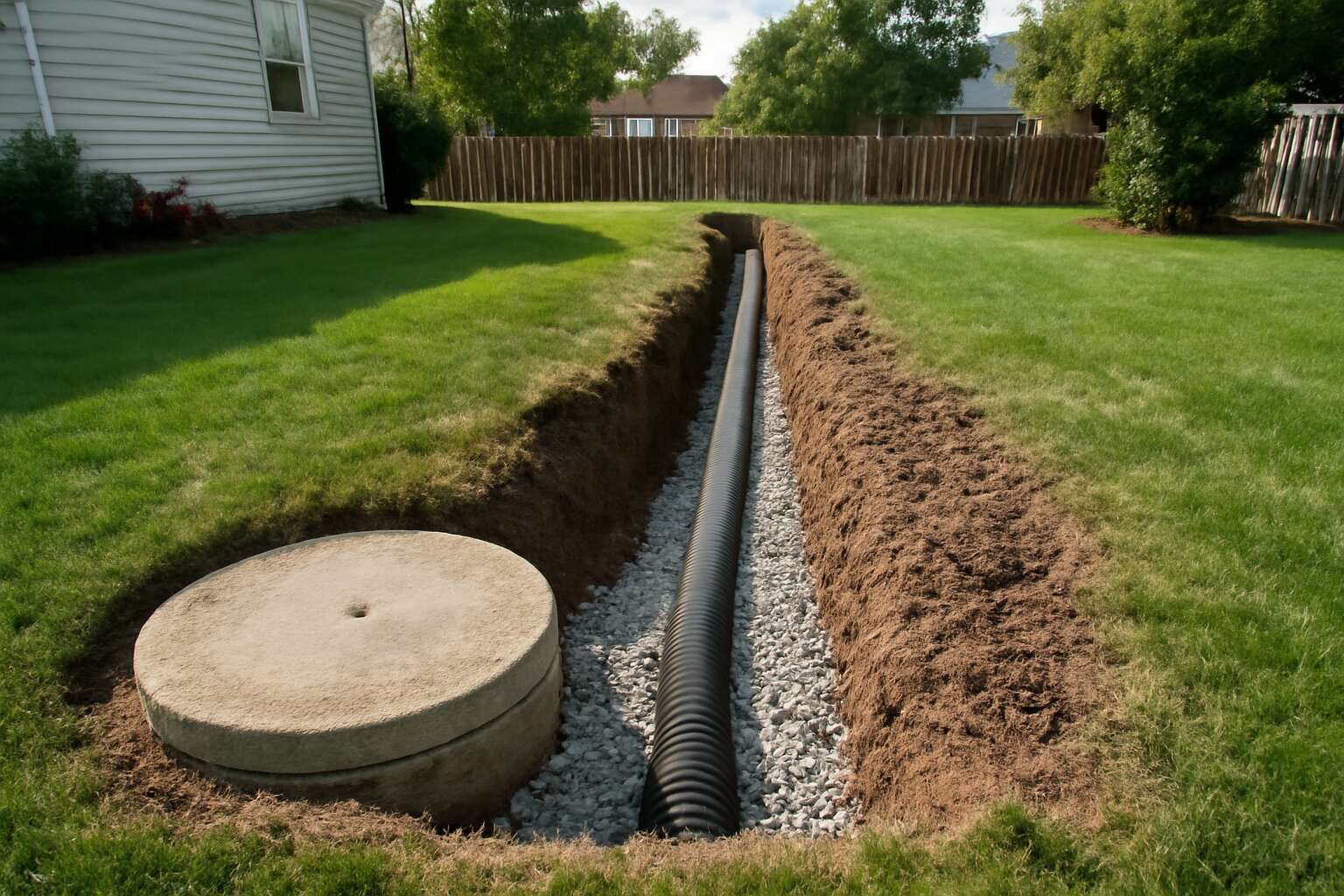
Understanding an Integrated Septic System with a French Drain
How the septic tank and French drain work together
Heavy rains drum on the roof, and the truth beneath our feet becomes clear: water’s path shapes danger as much as its load. In South Africa, a thoughtful drainage mindset can steady soils and homes. A system—septic tank with french drain—transforms pressure into balance.
The septic tank holds solids while the liquid flows toward a discreet drain field. The French drain acts as a patient conduit, whisking away moisture and guarding against groundwater intrusion. Together, they compose a quiet duet—filtration and disposal dancing in step.
- Soil absorption and moisture control
- Gravity-driven distribution
- Overall system resilience
Trusting this integrated design means a landscape that breathes easier, even in SA’s weather—where harmony between waste management and groundwater sustains households and habitats alike.
Core components of the system
In a country where sudden downpours test foundations and patience, drainage is more art than accident. The soil has opinions, and a well-chosen layout lets it speak in whispers rather than roars. Enter the integrated approach—a septic tank with french drain, a compact orchestra that turns water pressure into balanced soil moisture and a steady home.
Core components of the system include:
- Septic tank
- French drain network
- Drain field or absorption trench
- Distribution box and piping
- Gravel bed and soil absorption area
Together, they allow soil to breathe and moisture to move with intention, even through SA’s climate quirks. This design keeps waste managed, groundwater protected, and households comfortable as the seasons shift.
Key benefits and potential limitations
In a land where downpours hammer foundations in minutes, every drop deserves a plan! This is especially true when you live in South Africa, where drought and deluge braid a single landscape.
An integrated system blends a septic tank with french drain to coax moisture through soil with intention. It invites groundwater to stay protected and your home to breathe even when weather turns moody.
Key benefits emerge when the system breathes in harmony with the land:
- Efficient moisture distribution that steadies varying Cape winds and stream flows
- Groundwater protection through controlled effluent and reduced runoff
- Odor control and safer waste handling at the edge of the yard
Yet no design is flawless. In clay-rich soils, a high water table, or limited space, performance can waver, inviting slow drainage or unexpected dampness. Understanding these limits keeps the mystery solvable and your property resilient.
Common materials and design considerations
“Water is life,” a local foreman often reminds us, and in South Africa’s changing climate, how you channel it can make or break a home. A thoughtful understanding of a septic tank with french drain helps the landscape drink and breathe in equal measure. For durability, focus on robust piping, clean backfill, and soil-stable filters that stand up to sun and rain.
Design choices hinge on soil type, water table, and space. In clay soils or where groundwater runs high, extra depth or buffering may be needed. Compliance with local regulations and the anticipated maintenance footprint also shape the system.
Site Selection and Design Considerations
Soil type, slope, and space assessment
Industry data suggests that up to a third of septic installation issues trace back to siting choices. A well-planned septic tank with french drain shields your home from groundwater and seasonal floods, turning a soggy yard into reliable, usable space. In South Africa’s varied soils, the site must balance drainage, depth to bedrock, and proximity to watercourses.
- Soil type and percolation
- Slope and runoff direction
- Available space for the drain field and access
Space assessment plays alongside soil and slope. Easy maintenance access, setback distances from wells and property lines, and future growth potential all shape the design. The goal is to harmonize the underground journey with surface reality, ensuring this system performs quietly within the landscape.
Permits, codes, and setbacks
In South Africa’s diverse terrain, effective site selection can be the quiet hero. Up to a third of septic installation issues trace back to siting choices, and the right balance of soil, slope, and space can keep groundwater and floods at bay while letting a yard flourish — via a well-designed septic tank with french drain.
Site design hinges on permits, codes, and setbacks. The process demands compliance with local authorities and the nation’s building standards.
- Local authority permits and registration
- SANS 10400 compliance and municipal by-laws
- Setbacks from wells, property lines, and watercourses
- Maintenance access and future expansion considerations
In balance, the layout respects both underground journey and surface reality, ensuring quiet service through seasons.
Cost estimates and ROI
In South Africa, up to a third of septic installation issues trace to siting choices. A smart site quiets disturbances while protecting groundwater, letting a yard flourish. A well-designed septic tank with french drain blends performance with peace of mind.
Site design matters; it irons out cost estimates and boosts ROI. When the layout matches soil, slope, and space, upfront outlay is clearer and long-term maintenance is lighter. A septic tank with french drain that fits the land pays off through reliability and reduced lifetime costs.
Costs and ROI hinge on a few levers you can anticipate early:
- Site preparation and trenching requirements
- Permit, registration, and inspection fees
- Maintenance needs and potential rework or expansion
Installation Process and Best Practices
Pre-install planning and trench layout
In South African yards, a well-planned septic tank with french drain can turn damp corners into dry, usable space—when the layout respects the land. This section outlines the installation process and the pre-install planning and trench layout that save time and protect soil health. Early checks matter: utilities, access, and setbacks from buildings and watercourses.
Practical trench-layout essentials:
- Assess soil and moisture.
- Plan trench width, depth, and slope.
- Position access points for maintenance.
During installation, teams approach excavation with care, the gravel bedding supporting a perforated pipe laid to a gentle fall, then backfill and cap the trenches. A quick test can confirm flow and slope before final cover. Patience and precision deliver years of reliable drainage when the trench layout suits the site.
Installing the septic tank and drain trenches
In South Africa’s clay-rich yards, damp corners are not just a nuisance—they’re an invitation to rethink space. The installation process is a dance of precision and patience. Teams verify access, utilities, and setbacks before any trenching, then lay a gravel bedding for a perforated pipe that travels with a gentle fall. The trench is backfilled and capped, and a quick water test confirms flow and slope. A septic system becomes both sturdy and discreet when the layout aligns with soil and landscape—turning damp corners into usable space.
A well-designed septic tank with french drain guards your landscape. During installation, the crew follows best practices that respect soil health. Key steps include trenching, backfill, and thorough testing before final cover.
- Gravel bedding to support the pipe
- Perforated pipe laid with a gentle slope
- Backfill with clean, compacted soil and minimal disturbance
- Final inspection and water test of flow
Connecting and testing the system
South Africa’s clay-rich yards know drama—the damp corners that spoil a Sunday braai are calling for smarter drainage. The septic tank with french drain brings both reliability and discretion, so aesthetics stay intact. During installation, the team sticks to the plan, checking access, utilities, and setbacks before any trenching, then laying the system on a prepared bed that keeps the flow steady with just enough downhill grade.
Connecting and testing the system is where the rubber meets soil. A thorough final check confirms steady flow and soil health before the cover goes on, turning a rugged setup into a dependable feature of the landscape.
- All joints sealed and accessible
- Water flow tested under realistic loads
- Site restored with minimal disturbance
With the right practices, maintenance becomes a breeze and the system remains discreet yet effective for years.
Backfill, compaction, and final grading
The trench is the quiet climax of the install. The process of a septic tank with french drain rests on patient backfill, measured compaction, and final grading that keeps water moving away from the cover. When done well, the system hides in plain sight, a reliable feature rather than a scar on the lawn.
Backfill, compaction, and final grading are harmonies with the soil. They demand moisture-aware layering and thoughtful settlement management. In practice, balanced layers, mindful moisture, and controlled pressure support longevity and performance.
- Backfill laid in gentle lifts to preserve drainage paths
- Compaction that stabilizes without squeezing the pipes
- Final grading that directs runoff away from the lid and access points
Quality assurance and permits
South Africa’s yards deserve systems that whisper, not roar. A septic tank with french drain, installed with care, becomes a quiet steward of moisture and soil. The process respects grade, access, and durable joints, aiming for decades of reliable service—roughly 25 to 40 years with proper maintenance.
Quality assurance and permits accompany every stage: precise trenching, tested connections, and code-compliant setbacks. When standards align with local regulations, the system breathes and performs as designed.
- Quality assurance milestones: pressure tests and seal integrity
- Permits and compliance: local approvals and record-keeping
- Documentation: warranty terms and service intervals
Careful oversight keeps the landscape intact while the system quietly works.
Maintenance and Troubleshooting
Routine maintenance tasks and schedules
“Maintenance is cheaper than disaster,” a line that sticks in the mind after a long week of plumbing surprises. A well-tuned septic tank with french drain keeps the yard calm, the drains flowing, and the neighbors unharmed by unpleasant odors all year long.
Maintenance and troubleshooting lean on sensible routines and good notes. Schedule seasonal visual checks, observe drainage performance after heavy rains, and track changes in water use or odors. For most properties, a professional service every few years helps verify trench integrity, filter function, and pump conditions, while non-invasive checks on lids and surface dampness can flag trouble early.
- Seasonal inspections and odor cues
- Record-keeping of wastewater flow and rainfall
- Professional evaluation intervals
When symptoms surface—odd smells, damp patches, or slower drainage—the clue list points toward the system’s health without becoming a full mystery novel. With careful attention, the septic tank with french drain stays a quiet workhorse rather than a headline-maker.
Common problems and fixes
Maintenance is cheaper than disaster, and it shows up in quiet ways—like a yard that behaves and drains that actually drain. I’ve learned that a well-tuned septic tank with french drain keeps the yard calm, the drains flowing, and the neighbors’ nerves intact—even in South Africa’s capricious rain cycles. When trouble does knock, it often arrives as odors, damp patches, or sluggish drainage. Root intrusion, a saturated drain field, or a tired pump can disrupt the unflustered routine we all prefer. The trick is to read the clues: seasonal visuals, odor cues, and a sensible logbook that flags change before it becomes a headline.
- Odors near the septic area or along the drainage path hint at imbalances in the tank or drain field.
- Sudden damp patches or unusually lush ground over the trenches signal the system is pushing effluent where it shouldn’t.
- Persistent slow drainage or backups after heavy rain point to a saturated field or a failing pump.
Regular, non-alarmist follow-ups—scheduled evaluations and record-keeping—keep the system performing as the unfussy backbone of home comfort.
Seasonal care and performance optimization
In South Africa’s unpredictable rain cycles, I’ve learned that prevention pays double. A well-tuned septic tank with french drain acts as a quiet sentinel for my yard, and regular checks dodge disaster before it arrives. Studies suggest up to 40% of issues could be deflected by timely checks.
Seasonal care is a study in listening—the soil’s mood, the yard’s breath, the subtle shifts after heavy rain. When the weather hammers or softens, performance should adapt, turning maintenance into a ritual that preserves calm in the drainage tapestry.
- Proactive professional evaluations as the seasons turn
- Meticulous records of visits, rainfall, and observed shifts
- Observing yard moisture and plant vigor above the trenches
Maintenance and troubleshooting become rituals that keep the system calm, even when the skies rage.
Real-World Outcomes and Contractor Guidance
Case studies and performance metrics
From the veld to the coast, real-world outcomes for septic tank with french drain show a resilient heartbeat in challenging soils. In South Africa, installations pairing this system have delivered noticeable relief to homes grappling with high water tables and seasonal rains. Homeowners report up to 60% fewer sewer backups and a 40% reduction in emergency pump-outs within the first year, proof that thoughtful design meets local conditions.
Contractor guidance through real case studies provides a measured lens on performance metrics that matter in practice. Highlights drawn from field projects across varied terrains:
- Installation time within 5–15% of forecast
- Percolation and effluent clarity improve by 30–50% in the first season
- Maintenance calls drop by about one third after year one
These benchmarks guide future installations, ensuring reliable outcomes for communities across SA.
Cost breakdown and long-term value
Real-world outcomes across SA reveal a steady heartbeat beneath difficult soils. Installations pairing a septic tank with french drain have delivered relief to homes grappling with high water tables and seasonal rains. Homeowners report up to 60% fewer sewer backups and a 40% drop in emergency pump-outs within the first year, proof that thoughtful design harmonizes with local conditions.
Contractor guidance translates into a measured lens on long-term value. Field-based insight helps predict performance, cap costs, and plan maintenance so communities stay resilient for years. A clear cost breakdown emerges, not as a bolt from the blue but as a roadmap for reliability.
- Upfront installation and trenching investments
- Routine service cadence and parts replacement
- Lifetime savings from reduced backups and emergency interventions
Hiring a contractor: questions to ask and evaluate
Real-world outcomes in SA show that a septic tank with french drain can tame high water tables and seasonal rains, delivering relief to homes. In field reports, homeowners note up to 60% fewer sewer backups within the first year and calmer maintenance cycles—a proof that thoughtful design harmonizes with local conditions.
Hiring a contractor is where planning becomes protection. Ask these questions to evaluate fit:
- Are you licensed and insured, and do you understand South Africa’s local codes and permits?
- Can you share verifiable local references and a clear warranty?
- What is your site assessment method, trench layout plan, and ongoing maintenance program?
Choosing the right team makes the difference between a short-lived fix and a durable system that stands the test of time—a quiet guardian against the elements.
Warranty and service plans to consider
Real-world outcomes show that a well-designed system endures. In South Africa, homeowners report up to 60% fewer sewer backups in the first year with a septic tank with french drain. That resilience comes from thoughtful siting, reliable components, and steady upkeep. A solid warranty and a clear service plan aren’t afterthoughts — they’re protection for your investment.
When you compare warranty and service plans, look for these elements:
- Warranty duration and transferability.
- What’s covered (tank, drain, pumps) and exclusions.
- Regular maintenance requirements and scheduling.
- Emergency response times and on-site remediation.
- Documentation and access to service records.
- Post-install inspections and performance assurance.
Choosing a plan that fits the local climate helps ensure long-term performance. A robust warranty keeps contractors accountable and the system performing through seasonal shifts.



0 Comments