
Septic System Fundamentals
How septic tanks and leach fields work
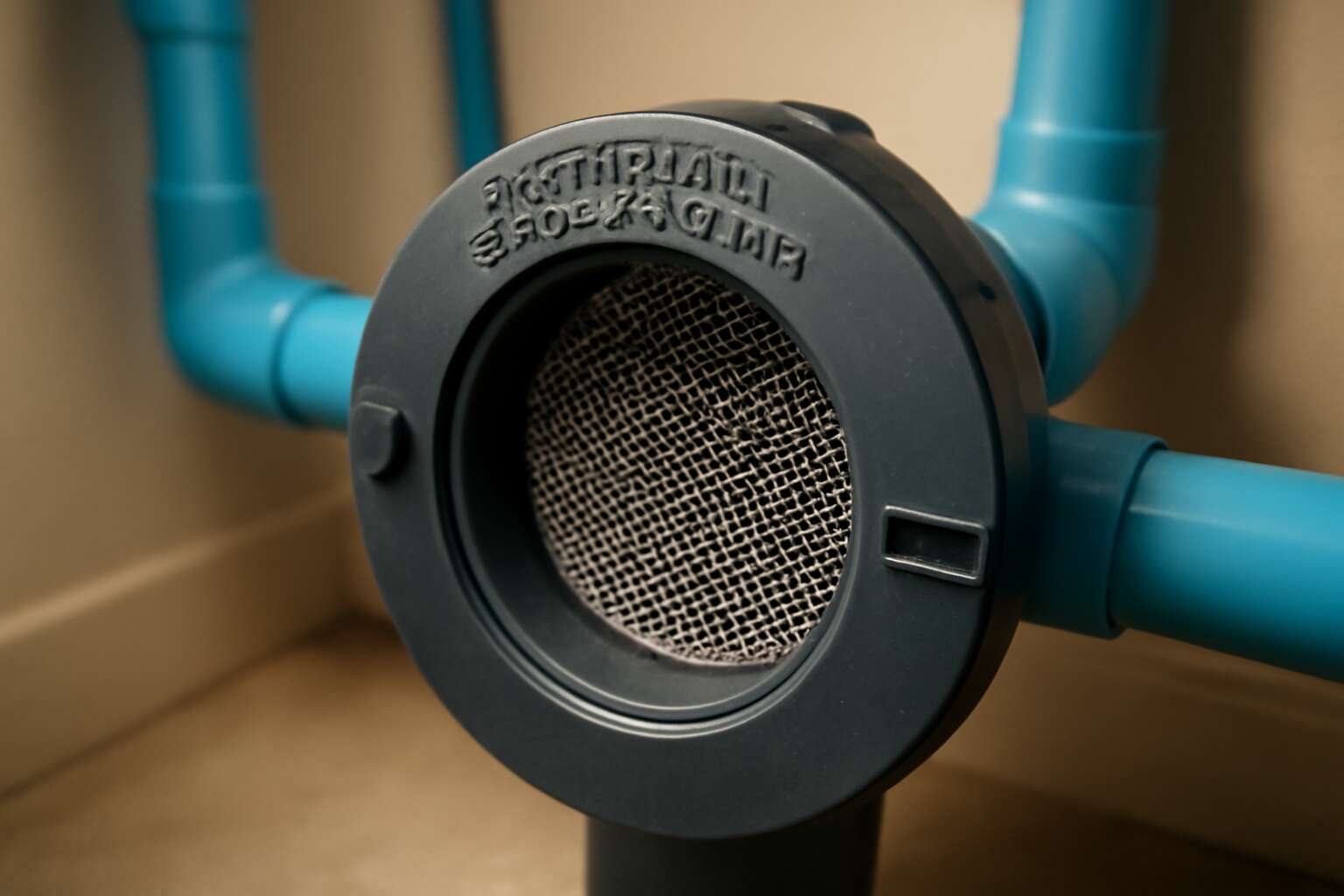
Storms or sunlit days, the quiet heart of a home keeps waste moving with disciplined grace. In South Africa, septic systems run a simple ballet: solids settle, liquids advance, and the soil below performs the final purification. A well-placed septic tank effluent filter catches grit early, preserving the leach field’s patient work.
To picture the flow, the main stages unfold like chapters in a well-worn book:
- The tank gathers solids, letting fats and scum rise while microbes begin digestion.
- Clarified liquid flows to the leach field through perforated pipes.
- The soil and underground microbes treat the effluent, dispersing it quietly into the landscape.
Guardianship of the flow matters: between tank and field, the septic tank effluent filter acts as a gatekeeper, letting water pass while stopping grit. When this small component does its quiet job, the system breathes easier and the landscape stays healthier.
Why filtration matters in septic systems
Filtration matters because a single grain can decide a system’s fate. In South Africa’s climate, the right filter keeps grit out of the leach field, reducing clogs and costly repairs after storms. The septic tank effluent filter sits as a quiet sentinel, letting clean water pass while stubborn particles wait their turn. When it performs its job, the underground chamber breathes easier and the landscape stays calmer after heavy rain!
- Prolongs leach field life
- Reduces frequency of pumping and repairs
- Improves effluent clarity and soil health
Beyond maintenance, filtration supports underground microbes and protects groundwater, turning a practical system into a quiet steward of the veld.
Different types of effluent filtration solutions
Storm season over the SA plains has a way of revealing truth with a splash: a grain of grit can tilt a system toward failure. The gatekeeper at the tank’s exit does the work quietly, letting clean water slip through while stubborn specks wait their turn—saving you from costly after-rain drama.
Different effluent filtration solutions exist to suit soil, climate, and budget. Here’s how they show up in modern setups:
- In-tank outlet filters (the septic tank effluent filter) catch solids as effluent leaves the tank.
- Cartridge-style external filters placed at the outlet chamber provide finer filtration.
- Multi-stage filtration pairs a robust screen with a secondary filter before the field for extra protection.
When the right choice is made, the underground world breathes easier, and the veld stays more resilient after heavy rain.
Key components of a residential septic system
A seasoned installer once said, ‘The secret life of a septic system happens at the outlet—where filtration keeps the story clean.’ Across South Africa, the residential system is a quiet alliance that guards your underground water. At the helm is the septic tank effluent filter, a steadfast gate that lets clarified liquid pass while stubborn grit lingers in the tank—saving the field from drama after a heavy rain.
- Septic tank and its baffles
- Distribution box linking to a soil absorption field
- Effluent filtration at the tank exit
The fundamentals are a small constellation under the lawn, their choreography quiet but vital, shaping how a home’s wastewater travels from kitchen sink to soil.
Environmental and health considerations
Secrets lie just beneath the lawn: a gate that decides the fate of every home’s wastewater. In South Africa, protecting groundwater starts at the tank’s exit—where the septic tank effluent filter works its quiet, essential magic. When this gate performs, communities breathe easier and soils stay resilient.
- Protects groundwater by catching solids and grit before they escape to the field
- Supports soil biology and long-term absorption capacity
- Reduces odors and blockages, lowering surprise maintenance
Healthy effluent, thoughtful disposal, and safeguards against contamination matter for public health. A well-maintained filtration stage lessens nitrate leaching risks and keeps surface water clean after heavy rains.
Choosing and Sizing Filtration for Septic Systems
Assessing flow, tank size, and household usage
“Quality filtration is the quiet guardian of every septic tank,” a seasoned South African maintainer once said. The art of choosing and sizing filtration hinges on three steady axes: flow, tank size, and household usage. When aligned, the system breathes easier and lasts longer.
To estimate flow, picture daily routines—showering, laundry, cooking—balanced to avoid overload. The septic tank effluent filter should be capable of handling peak periods without choking on grit, while the tank’s volume provides a buffer for quiet days ahead.
In a South African setting, these considerations adapt to climate and soil realities.
- Average daily wastewater
- Tank size and retention
- Usage patterns over seasons
Filter materials: mesh, plastics, and durability
“Quality filtration is the quiet guardian of every septic tank,” a seasoned South African maintainer once said. Choosing and sizing filtration hinges on three steady axes: flow, tank size, and household usage—but in our climate, the story expands to sun, soil, and seasonal loads. The septic tank effluent filter is more than a passive screen; it stands as a frontline shield against grit and sludge as the system rests in SA soil!
Filter materials come down to mesh, plastics, and sheer durability. A fine mesh catches finer particles early, but can slow if grit piles up. Plastics resist corrosion and the harsh SA environment, staying light and adaptable. Durability means UV resistance, temperature tolerance, and simple maintenance cycles.
- Mesh: precise filtration with grit capture
- Plastics: lightweight, chemical resistant, corrosion-free
- Durability: long-term performance across seasons
Sizing guidelines and compatibility with tank design
Water whispers through our SA soils, and a well-chosen filtration keeps that whisper from becoming a roar. In choosing and sizing filtration for septic systems, the design must cradle both the tank’s quiet design and the home’s daily tempo. The septic tank effluent filter acts as a patient sentinel, guarding against grit while the system rests in the red-earth hush of South Africa. When harmony guides the match between flow and space, the whole system breathes lighter and lasts longer.
- Inlet and outlet elevations to preserve gravity flow
- Overall tank geometry and baffle placement
- Projected daily usage and seasonal demand patterns
Key sizing guidelines drift on the wind of design compatibility and seasonal demand. Consider these touchstones:
Balancing these elements helps the filtration system do its quiet, essential work without hindrance, in SA’s sun and soil alike.
Cost considerations and return on investment
Filtration is the quiet accountant of a septic system. The right choice, including the septic tank effluent filter, can trim maintenance costs for years to come. “Good filtration is the quiet guardian of the tank,” as I’ve learned in SA workshops. The return on investment isn’t just pennies saved today; it’s fewer emergency calls, longer tank life, and steadier performance as seasons shift through our drought-prone climate. Upfront cost matters, but the long-term balance sheet rewards patience with healthier soils and a calmer daily tempo.
Costs to weigh include:
- Initial unit price and installation.
- Replacement and maintenance intervals.
- Service call frequencies and travel costs.
These elements shape the true ROI, beyond sticker price.
Professional vs DIY installation considerations
In maintenance, the right filtration is a quiet partner. Sizing a system isn’t chasing novelty—it’s building resilience. For a septic system, the septic tank effluent filter must match flow, tank volume, and soil realities. I’ve learned in SA workshops that a well-sized filter guards endurance.
Choosing between professional installation and DIY hinges on access, local rules, and comfort with tools. A wise choice weighs risk, warranty, and ongoing serviceability. Consider these steps:
- Professional sizing and installation ensure compatibility with tank design and local soil conditions
- DIY may work for straightforward setups, but seal integrity, venting, and tool access demand care
- Verify permits, warranties, and service implications within your South African locale
In the end, size and method shape maintenance tempo as seasons shift under South Africa’s skies. The decision isn’t just about cost; it’s about a calmer, more predictable system.
Installation, Maintenance, and Safety Practices
Pre-installation site assessment and permits
Across South Africa, a well-functioning septic system protects property value and water quality. A single poor install can snowball into costly repairs. A properly chosen septic tank effluent filter acts as a first line of defense, catching solids before they reach the leach field.
Installation starts with a pre-installation site assessment and permits. Get the layout right, confirm soil conditions, and secure approvals before any trenching.
- Verify soil percolation and drain-field capacity
- Confirm space for maintenance access
- Ensure proper venting and compatibility with your tank design
Maintenance is steady work. Inspect the unit regularly, replace worn gaskets, and keep non-flushables out of the system. A clean filter reduces blockages and extends life.
Safety practices matter. Turn off access power before service, wear gloves, and hire qualified professionals for tasks beyond routine checks. Compliance with local safety standards protects families and the environment.
Step-by-step maintenance routines for homeowners
Installation awareness continues after the setup: keep a simple maintenance log, note the model and installation date, and ensure the access point remains unobstructed for easy service, like a quiet guardian watching over the system. The septic tank effluent filter should be logged so you know replacement intervals at a glance.
- Turn off power to pumps at the breaker before inspection.
- Open the access lid and inspect the filter housing for cracks.
- Rinse the filter screen with clean water; avoid harsh cleaners.
- Re-seat the unit with a fresh gasket if worn and re-seal.
Safety practices matter: wear gloves, keep hands away from moving parts, and never perform electrical or confined-space tasks without a licensed professional. Stick to routine checks to protect your family and the environment in South Africa.
Tools, safety steps, and best practices
Few systems stand as quiet guardians beneath South African homes as the septic tank effluent filter. This essential barrier keeps solids from flooding the leach field and protects water quality. Installation awareness continues after setup: maintain a simple maintenance log, note the model and installation date, and keep the access point clear for service—an ever-watchful sentinel at work. The log makes replacement intervals visible at a glance.
During routine checks, inspect the filter housing for cracks, rinse the screen with clean water, and avoid harsh cleaners. With a basic toolkit—gloves, flashlight, and a soft brush—re-seat the unit with a fresh gasket if worn, then re-seal with care.
Safety practices matter: wear gloves, keep hands away from moving parts, and never perform electrical tasks without a licensed professional. In South Africa, routine checks protect families and ecosystems; prioritize professional help for anything electrical or confined-space related, and keep your filter accessible.
Cleaning vs replacement: when to do what
A solid shield beneath the home—the septic tank effluent filter—keeps solids from hurting the leach field. Installation should fit the tank design and keep a clear service access. In South Africa, follow local codes and keep records handy!
Maintenance matters. Inspect for cracks, rinse the screen with clean water, and avoid harsh cleaners. Keep the access point open and log model plus installation date. If wear shows, reseal with a fresh gasket.
- Check gasket integrity
- Record service dates in the log
- Clean the screen with gentle water
Safety practices matter: gloves on, hands away from moving parts, and never perform electrical tasks without a licensed pro. Cleaning vs replacement: clean when the unit is undamaged and flow is steady; replace if cracks or torn screens appear.
- Clean when flow is normal and the unit is undamaged
- Replace when cracks, torn screens, or degraded gaskets are present
Record-keeping and maintenance scheduling
Installation should suit the tank design and preserve a clear service access. For a septic tank effluent filter, place it where gravity guides flow and seal fittings to South Africa’s local codes. A well-executed setup acts as a guardian, protecting the leach field.
Maintenance centers on steady flow and intact screens. Cracks are checked, the screen is kept clean with gentle water, harsh cleaners are avoided, and the access point remains unobstructed. The log should record model and installation date; resealing worn gaskets is advisable. For the septic tank effluent filter, preserve a tidy maintenance log.
Safety practices and record-keeping and maintenance scheduling: Always wear gloves, keep hands away from moving parts, and never perform electrical work without a licensed pro. A straightforward approach to scheduling helps maintain reliability and accountability.
Troubleshooting and Performance Diagnostics
Common symptoms of clogged or failing filtration
A brisk statistic lands with a jolt: nearly 40% of South African residential wastewater interruptions trace back to a neglected filter. The septic tank effluent filter acts as a quiet gatekeeper, catching solids before they ride into the leach field. When it falters, you feel the ripple through the home and yard.
- Slow draining drains and toilets
- Gurgling noises in plumbing
- Backups in toilets or yard drainage
- Strong, unusual odors near the system
Common symptoms of a clogged or failing filtration show up in flow, gurgling sounds, and unexpected backups.
Performance diagnostics hinge on observation rather than guesswork. I’ve seen how rising effluent levels masquerade as routine drainage until the system balks. Watch for changes in water clarity and irregular pump cycles. With the septic tank effluent filter, such signals point to filtration health and the need for professional inspection if symptoms persist.
Diagnostic tests and at-home checks
Troubleshooting starts with patterns, not guesses. When the filtration falters, you’ll notice slower drains, occasional gurgles, or yard odors—the septic tank effluent filter acting as a quiet gatekeeper, catching solids before they reach the leach field.
Performance diagnostics lean on observation. Note changes in water clarity, unusual pump cycles, and rising effluent levels over time; these signals illuminate filtration health and whether a professional inspection is needed.
- Unusual pump cycles or rising effluent hints
- Changes in water clarity or color
- Unpleasant odors near the system
Maintain a simple log of dates and observations; consistent records help technicians diagnose faster and reduce the risk of larger failures.
Impact on drain field and wastewater efficiency
Across South Africa, more than half of chronic septic problems trace to neglect of the septic tank effluent filter—the quiet gatekeeper of your wastewater!
Troubleshooting and performance diagnostics hinge on patient observation, not guesswork. Look for subtle shifts in drainage rhythm, changes in effluent clarity, and odors near the access point; these signals reveal filtration health and forecast whether a professional assessment is warranted. A robust filter keeps solids from the leach field, preserving soil structure and reducing wastewater processing strain across the system’s life.
- flow rhythm and fixture response
- effluent clarity and color shifts
- odor intensity around the system
Maintaining a simple log of dates and observations helps technicians diagnose faster and safeguard performance over time.
Repair options and cost guidance
That quiet gatekeeper—the septic tank effluent filter—will bite back if neglected. Across South Africa, half of chronic septic headaches trace to ignoring it, turning smooth drainage into costly repairs. Diagnostics hinge on patient observation, not dramatic theatrics; watch the rhythm, the clarity, and the aroma around the access point.
Repair options and cost guidance include these solid choices:
- Professional inspection and diagnostic assessment to verify filtration performance and drain-field load.
- Clean or replace the septic tank effluent filter to restore solids separation.
- Upgrade to a higher-grade filtration media or a retrofit for longer life.
- Full system service and drain-field evaluation if field performance remains compromised.
Prices in SA vary by region and contractor. Ballpark budgeting lines: R800–R2000 for inspection/cleaning, R1200–R4500 for filter replacement, and R3000–R10 000+ for a full system service and field assessment, plus VAT where applicable.
Long-term monitoring and service intervals
Half of chronic septic headaches in South Africa trace to neglect of the septic tank effluent filter—the quiet gatekeeper of drainage. Troubleshooting hinges on pattern observation: the rhythm of flow, the clarity of effluent, and the aroma around the access point!
Long-term monitoring and service intervals turn this into a discipline. Track performance across seasons, note drift in solids separation, or changes in odors or backflow tendencies. A professional diagnostic review helps keep diagnostics sharp and the system resilient.
- Shifts in drainage rhythm or backflow indications
- Changes in effluent clarity, color, or consistency
- New smells around the access point or yard drains
A steady log of observations sustains early warnings and protects the drain-field over the long haul.


0 Comments