Immex Waste is a Waste management service establishment in Drakenstein Local Municipality, Western Cape, South Africa
Immex Waste – Waste Management Services in Drakenstein, Western Cape
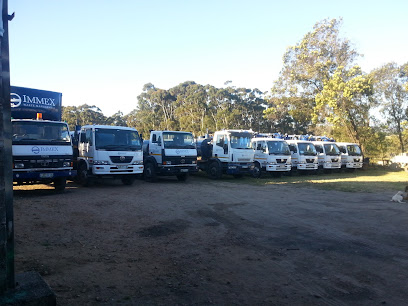
Immex Waste operates as a specialised waste management provider serving the Western Cape, with a broader national footprint that includes the Eastern Cape and Gauteng. Established in 2008, the company has developed a substantial fleet and a multi-branch network to deliver responsive, regulated waste handling across industrial, commercial and domestic sectors. In Drakenstein Local Municipality, Immex Waste is recognised for combining practical waste removal solutions with a commitment to environmental responsibility and cost-effective service delivery. The operation is anchored by a head office outside Paarl and branches in Port Elizabeth and Springs, enabling coordinated service across key Western Cape routes, with additional coverage under contract arrangements beyond these bases.
The company highlights a comprehensive approach to waste management, emphasising safe collection, transportation and disposal of various waste streams—from hazardous to non-hazardous. The offering is framed as a full-service solution, incorporating safe storage, handling and disposal practices designed to minimise environmental impact while giving clients peace of mind that their waste is managed responsibly and in compliance with regulatory standards. A core strength cited is the ability to tailor solutions to individual client needs, supported by a team of professionals equipped to design bespoke waste management plans.
Main services offered
- High-Pressure Jetting – Immex operates high-pressure jetting trucks capable of clearing blockages in effluent pipelines, sewer lines, stormwater lines and factory effluent lines. The service is described as fast and reliable, with combination trucks designed to remove both liquids and solids from greater depths. Buckets and root-removal tools form part of the toolkit to tackle challenging blockages and sand or root encroachment in pipelines. This service is commonly employed for blocked drains, pump stations and wash bays.
- Liquid Waste Management – The liquid waste portfolio includes the emptying of septic tanks, sewer and stormwater drain cleaning, removal and cleaning of fat traps, and handling factory effluent lines and pump stations. The offering extends to the management of water bodies such as dams where appropriate. Immex also provides installation services for septic tanks, drain laying and sewer systems, supported by a fleet that includes combination vacuum/jet trucks and vacuum trucks with pumping capacities from 2 to 6 inches. Disposal is framed around environmental and regulatory compliance, with an emphasis on safe transport and compliant disposal methods.
In addition to core waste management, Immex advertises plumbing services, maintenance and renovations, signalling a broader capability set that covers water and drainage infrastructure. The plumbing services range from burst pipes and leak detection to blockages, geyser installation (including solar options) and water systems for rainwater or greywater, along with kitchen and bathroom installations as part of integrated site solutions. This cross-over capability can be advantageous for clients seeking a single partner for both waste and plumbing needs.
Typical job types and industries
Based on the service descriptions, typical assignments are oriented to industrial, commercial and large domestic sites requiring comprehensive effluent management, drainage maintenance and liquid waste disposal. Common categories likely include facilities with sewer or stormwater systems, factories with effluent lines, wash bays, and areas where fat traps require regular cleaning. Oil and industrial facilities that rely on high-pressure jetting to maintain operational pipelines are cited as typical users. While explicit industry sectors are not itemised beyond the general market segments, the scope aligns with businesses needing reliable waste transport, compliant disposal and system maintenance.
How requests usually work
Immex promotes a service model built around responsiveness and customised solutions. The company asserts a professional, socially responsible approach, supported by a broad fleet and regional branches to enable prompt response. Potential clients are encouraged to obtain a no-obligation quote, reflecting an intent to assess specific site needs, the scale of waste streams, and the most appropriate equipment and staffing. Contact methods are provided via telephone lines for the head office and regional contacts, supporting a straightforward start to service arrangements. The presence of long-standing relationships and multiple regional bases suggests a practical workflow that can accommodate both ad hoc call-outs and longer-term service contracts.
Customer experience and reputation
Customer feedback referenced in the available listings highlights a generally friendly and helpful team, with several reviews noting positive interactions with staff. As with any service provider, experiences can vary, but the emphasis on professional conduct, value, and reliability appears to be central to Immex Waste’s market positioning. The online reviews indicate a two-way engagement with clients over time, including responses from the business to customer feedback, which points to ongoing service refinement.
Practical tips for customers
- When planning a project, consider requesting a no-obligation quote to outline scope, timelines and preferred disposal methods.
- Clarify service frequency and whether options include long-term maintenance contracts for high-demand sites such as factories or complexes with regular effluent management needs.
- Discuss regulatory compliance and environmentally friendly disposal practices to ensure all waste streams are managed within South African waste legislation.
- Mention any site-specific considerations (e.g., access limitations, permit requirements, or sensitive equipment) to tailor the equipment selection (vacuum/jet trucks, bucket sets, pumps).
- For facilities with septic systems, confirm whether installation, maintenance or replacement services are required alongside waste removal.
- Coordinate with the local Drakenstein area for scheduling to minimise disruption to operations, particularly for larger blockages or pump station servicing.
Immex Waste can be found operating from Klein Groenfontein, Eenzaamheid Road, Klapmuts, with a Cape Town head office and regional bases that enable coverage across the Western Cape, Eastern Cape and Gauteng. The organisation’s logistics and service approach aim to support businesses in maintaining compliant, efficient and environmentally responsible waste management practices within Drakenstein and the wider region.
Drakenstein Local Municipality
Western Cape
South Africa
Sorry, no records were found. Please adjust your search criteria and try again.
Sorry, unable to load the Maps API.
Waste Management Services in Drakenstein Local Municipality
Waste management in the Drakenstein Local Municipality in the Western Cape encompasses a range of services aimed at keeping communities clean, safe, and environmentally responsible. The focus typically includes routine household waste collection, recycling initiatives, and the safe handling of larger or specialised waste streams. Residents and businesses can expect a structured approach designed to minimise waste going to landfill while promoting conscious waste practices at the source.
Routine collection services form the backbone of local waste management. Regular households generally receive scheduled pickups for general refuse, often provided via wheeled bins or bags placed at the curb on designated days. The service may extend to small businesses and commercial premises, with frequency tailored to the location and demand. In areas where access is challenging, authorities or contractors may implement alternatives such as communal containers or transfer stations, ensuring that waste is collected in a timely and orderly manner.
Recycling and materials recovery feature prominently in the region’s waste management framework. Household recycling typically involves separate collection or drop-off points for items such as paper, cardboard, plastics, glass, and metals. Local programmes may partner with sorting facilities or community organisations to facilitate the separation of recyclables from general waste. Public education campaigns often emphasise reducing waste, reusing items where possible, and correctly preparing recyclables to maximise recovery rates.
Specialised waste streams receive additional attention. Garden waste is commonly collected or accepted at designated drop-offs, where green material is composted or processed for mulch. Bulk waste, including furniture or oversized items, may require pre-arrangement or scheduled collection services. Construction and demolition debris is usually directed to licensed facilities equipped to handle inert materials, rubble, and other bulk refuse. For health and safety, hazardous waste—such as batteries, electronics, paints, and batteries—often requires separate handling or designated collection points, following national and provincial guidelines to prevent contamination and environmental impact.
Disposal options for non-recyclable refuse are typically routed to authorised landfills or transfer stations. Where practical, transfer stations act as intermediate hubs, consolidating waste before final disposal. Public bodies bear responsibility for ensuring that facilities comply with environmental standards, including proper containment, leachate management, and odour controls. Residents may be advised of any municipal fees, permitting requirements, or waste disposal guidelines relevant to their property type and location.
Practical considerations for consumers include understanding local collection schedules, the correct use of containers, and the preparation of waste to support efficient sorting. Access to bins, the management of shared spaces in multi-dwelling properties, and the safe storage of hazardous or special waste until proper collection or drop-off can minimise nuisance and health risks. In rural or peri-urban areas within the municipality, service levels may vary, and some households might rely on private arrangements or alternative disposal routes, subject to regulatory compliance.
In addition to collection and disposal, waste management services often incorporate educational elements. Community outreach may cover topics such as waste minimisation, the environmental benefits of recycling, and guidance on reporting illegal dumping. Partnerships with local authorities, environmental organisations, and schools contribute to broader sustainability goals and help residents participate in responsible waste practices.
Overall, waste management in Drakenstein Local Municipality seeks to blend reliable collection with effective recycling, safe disposal, and public engagement. By aligning service delivery with local needs and environmental standards, the approach supports cleaner streets, lower landfill burdens, and a more sustainable waste system for the Western Cape region.